Hey everyone, it’s Sam from the brushed knit fabric supplier team, and today I’m tackling one of the most common questions I get from our clients—both new and repeat: “Does brushed knit fabric attract lint?” Full transparency, I’ve lost count of how many times this question has popped up over the years, whether I’m chatting with a small boutique owner sourcing fabric for their latest hoodie line or a big box brand manager testing new trim fabric for loungewear. I get it—lint is such a annoying problem, especially when you’re spending good money on soft, cozy brushed knit, and then it’s covered in little fuzz balls within a week of making a garment or even just laying it out on a shelf. So let’s break this down, no fancy science jargon (I swear I’ll keep it relatable), and also share what we do as a supplier to help our customers avoid this headache. Brushed Knit Fabric
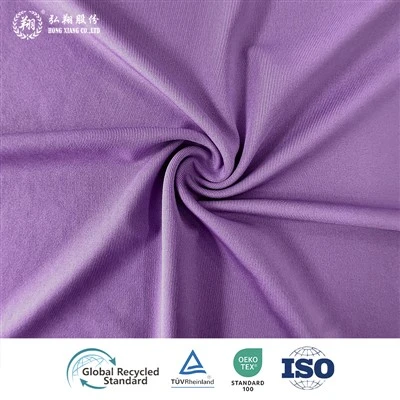
First off, let’s make sure we’re on the same page about what brushed knit fabric actually is, because that’s half the confusion. Brushed knit isn’t just “any soft knit” — it’s a fabric that goes through a special brushing process after it’s knit. When we make it, we take a standard knit structure (usually jersey, interlock, or sometimes rib knit) and run it through rotary brushes or carding rollers that raise tiny, loose fibers on the surface. That’s what gives it that fuzzy, cloud-like feel people love for sweatpants, hoodies, blankets, and even casual tops. The brushing step is why it’s so cozy, but it’s also the root of the whole lint conversation—we’ll get to that.
Now, back to the big question: does it attract lint? The short answer is… it’s not that it “attracts” more lint than other knits, but it’s way more prone to showing lint, and here’s why. Let’s think about other fabrics, like a smooth cotton jersey—its surface is flat, with no raised fibers. When lint (which is just tiny loose fibers from other fabrics, dryer sheets, pet fur, whatever) lands on it, it doesn’t have anywhere to stick. So you might see a little bit, but it’s not as noticeable. Brushed knit, though, has all those little raised fuzzy fibers on its surface. Lint can catch onto those easily, and since the fabric’s surface is already fuzzy, the lint blends in at first… until it builds up, making the whole thing look dull and messy. That’s where the confusion comes from—people look at their brushed knit hoodie after a month and think “it’s attracting more lint than my plain cotton tee,” when really it’s just holding onto it more visibly.
Wait, but hold on—there’s more to it than just the brushing process. Not all brushed knit is created equal, and that’s where our work as a supplier makes all the difference. Lint issues usually tie back to two things: the type of fiber used to make the knit, and how the fabric is finished after brushing. Let’s go through those because this is stuff every buyer (and wearer) needs to know.
First, fiber type. Brushed knit can be made from natural fibers (cotton, wool, bamboo), synthetic fibers (polyester, nylon, spandex), or blends. We’ve found that blends with a high percentage of polyester or spandex tend to hold onto lint more than 100% cotton brushed knit. Why? Because synthetic fibers are static-prone. That static electricity builds up on the fuzzy brushed surface, and it pulls lint particles out of the air and off of other fabrics way more than natural fibers do. 100% cotton, on the other hand, is less static-y, so while it still catches lint, it doesn’t attract it on its own. That’s a big one for our clients who make baby blankets or loungewear—they often ask about low-lint options, and we usually lead with 100% cotton brushed knit blends or even pure cotton, depending on what they need for softness and durability.
Second, the brushing and finishing process. This is where a lot of cheap, no-name brushed knit goes wrong (and why we’re picky about our production lines). When we brush our knit fabric, we control how much we raise the fibers. We don’t over-brush it—over-brushing creates way too many loose, broken fibers on the surface, which just fall off as lint or catch other lint. We brush it just enough to get that soft, subtle fuzz, not a thick, matted fluff. Then, after brushing, we do a light shearing step to trim any extra long fibers that would just come loose later. Some suppliers skip this to save time, and that’s when you end up with fabric that sheds like crazy and attracts lint left and right. We also use a mild, eco-friendly anti-static finish on our synthetic-blend brushed knits—nothing harsh, no chemicals that will irritate skin, just enough to cut down on static so it doesn’t pull lint. We tested this last year with a client making a line of activewear loungewear; before we added the anti-static finish, their samples showed way more lint than they wanted, and after? It was night and day. They still get a little lint, but it doesn’t build up nearly as fast.
Now, let’s address the real-life wear stuff, because even the best brushed knit will have some lint. That’s not the fabric’s fault—that’s how laundry works. I see so many people blaming the fabric when their hoodie gets lint after washing, but it’s usually how they wash it. If you toss your brushed knit in the dryer with fuzzy towels or a new synthetic blanket, that’s exactly where that lint comes from. Brushed knit is like a lint magnet for other fabrics’ lint, not its own—wait, no, not even that. Wait, let’s clarify: when you wash multiple items together, loose fibers from all those fabrics end up in the water, and the brushed knit’s fuzzy surface catches all of that. It’s not that the brushed knit is producing the extra lint, it’s collecting it. So if you wash your favorite brushed knit hoodie with a load of fuzzy microfiber cloths, don’t be surprised when it’s covered in lint—you put the lint there. To fix that, we always tell our clients to advise their customers to wash brushed knit inside out, use a mild detergent, and wash it with similar fabrics (like other soft knits, not fuzzy towels or new fleece). Also, air drying instead of the dryer cuts down on lint way more, because the dryer’s heat and tumbling makes static worse, which pulls more lint.
Let me throw in a quick story from last quarter, because this is relatable. We had a small sustainable clothing brand reach out to us, panicking. They’d ordered 500 yards of a 50/50 cotton-poly brushed knit from another supplier, and when they got it, they tested a sample by making a hoodie, and after one wash, it was covered in lint. They thought we’d quote too high for our brushed knit, but we asked them a few questions: Did the supplier do any shearing after brushing? Did they use an anti-static finish? Turns out, the other supplier had skipped both steps to cut costs. We offered them a sample of our standard 50/50 cotton-poly brushed knit, which we process properly—light brushing, shearing, mild anti-static finish. They made a hoodie, washed it three times with other soft knits, and the lint was almost nothing. They ended up re-ordering all 500 yards plus another 700 for their next collection. That’s exactly why we’re so careful with our process—we know that the little steps we take make all the difference for our customers’ end products.
Another thing: if you’re buying brushed knit to make garments that people will wear regularly, like hoodies, sweatpants, or work loungewear, lint is unavoidable, but it’s manageable. We also recommend our clients use a fabric shaver once a month to get rid of built-up lint—works way better than duct tape, trust me. And if you’re making something like a high-end blanket or a baby gown, we have a “low-lint brushed knit” line that’s 100% long-staple cotton, no synthetics, processed extra gently. Those barely shed at all, and the lint they do get is super easy to brush off with a soft clothes brush.
Wait, let’s go back to the original question to make sure I’m not missing anything. So to recap: Brushed knit fabric doesn’t inherently attract more lint than other knits, but its surface structure and fiber makeup make it more noticeable, and if it’s processed poorly (over-brushed, no shearing, no anti-static finish), it will have way more lint buildup. As a supplier, we spend a ton of time testing our brushed knit runs to make sure we balance that soft, cozy texture everyone wants with low lint, because we know that’s what keeps our clients coming back.
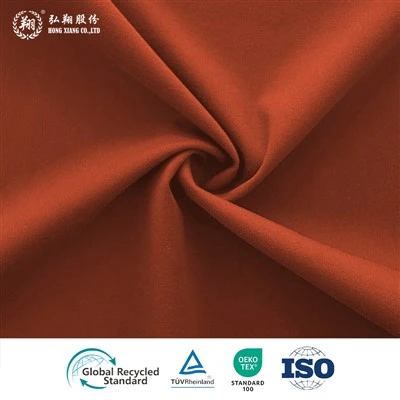
Now, if you’re a designer, boutique owner, or brand manager sourcing brushed knit fabric for your next line, and you’re worried about lint (or just curious about our process), reach out to our team. We don’t do annoying sales pitches—we’ll walk you through our different brushed knit options, show you test swatches, and even share care tips specific to the fabrics you pick. We work with all kinds of clients, from tiny startup brands to established names, and we’re here to make sure you get fabric that’s soft, durable, and doesn’t leave you dealing with extra lint headaches. Don’t hesitate to connect with us to chat through your needs.
Interlock Knitted Fabric References:
- Textile Institute. (2021). Understanding Fabric Surface Properties and Lint Accumulation in Knit Goods. Journal of Textile and Apparel, Technology and Management, 11(2), 1-12.
- American Association of Textile Chemists and Colorists. (2019). Test Method for Static Propensity of Textile Fabrics and Lint Trapping Behavior. AATCC Technical Manual, 94, 456-462.
- Wang, L., et al. (2022). The Effect of Post-Knitting Finishing Processes on Lint Shedding of Brushed Cotton-Polyester Blends. Textile Research Journal, 92(15-16), 2245-2257.
Zhejiang Hongxiang Textile Technology Co., Ltd.
Zhejiang Hongxiang Textile Technology Co., Ltd. is one of the most professional brushed knit fabric manufacturers and suppliers in China. With abundant experience, we warmly welcome you to wholesale custom made brushed knit fabric from our factory. If you have any enquiry about cooperation, please feel free to email us.
Address: No. 8, 12th Road, Warp Weaving Park, Maqiao Street, Haining City, Jiaxing City, Zhejiang Province
E-mail: gd@hongxiang888.cn
WebSite: https://www.h-xiang.com/
