If you’ve ever stood in a scarf aisle, staring at a rack of thin, shiny fabric alongside thick, woolen knits, you’ve probably wondered: what makes a scarf truly worth your money? As a modal fabric supplier who’s been working with this material for over a decade, I get asked this question all the time—most often, “Is modal actually good for scarves, or is it just another trendy fabric that fades after one wash?” Let me break this down like I would for a regular client who’s testing their first bulk order: no industry jargon, just real, hands-on facts about why modal works (and where it might not) for one of the most versatile accessories you can own. Modal Fabric
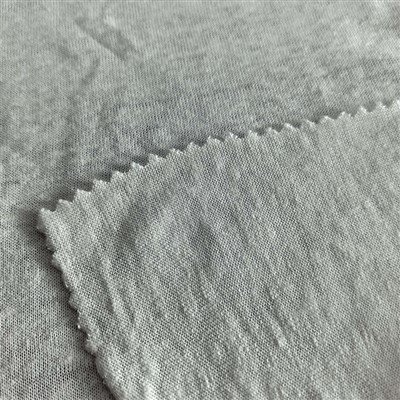
First, let’s get back to basics. Modal isn’t a random synthetic fabric, like polyester or acrylic. It’s a type of regenerated cellulose fiber, made from beech tree pulp. The process of turning wood pulp into fabric is more sustainable than you might think—at least compared to many synthetic alternatives. The pulp is broken down into a liquid, then extruded through tiny holes to create fine, soft fibers that feel almost like silk, but much more affordable for everyday use. For scarves, that softness is a big deal. Think about it: a scarf is something you’ll wear against your skin, not just draped over a coat. Wool can be scratchy for people with sensitive skin, even if it’s “merino” or “superwash.” Cotton can get stiff and itchy if it’s been processed too much. But modal? It’s naturally smooth. When I first worked with modal 12 years ago, I remember testing a sample scarf on my mom, who has eczema—she wore it all day without complaining, something she’d never done with a cotton or wool scarf before. That’s not a fluke; modal has a round fiber cross-section, unlike cotton which is flat, so there’s no rough edges to irritate skin.
But softness is only part of the story for scarves. You need a fabric that holds its shape, feels light enough to wear in spring and fall, but warm enough for chilly winter evenings. Let’s talk about breathability here. Modal is one of the most breathable regenerated fibers out there. It can absorb up to 50% of its weight in moisture without feeling damp. That means if you’re walking to work on a cold morning, your scarf will wick away any sweat from your neck, instead of trapping it against your skin and making you overheat halfway through your commute. Compare that to a polyester scarf, which holds moisture and can make you feel clammy, or even cashmere, which is warm but can trap too much heat if you’re indoors. I’ve had clients who make lightweight modal scarves for yoga studios—people use them as neck wraps during cool practice sessions, and they never complain about feeling too hot or sticky. For scarves, that versatility is a game-changer. You’re not limited to wearing a modal scarf only in winter; you can layer it over a t-shirt in April, or wrap it around your shoulders at a summer outdoor dinner to block the breeze off a patio.
Another big plus for scarves is modal’s drape. A scarf that stands up stiff won’t look right, no matter how soft it is. Modal fibers are long and fine, so when woven into fabric, they create a scarf that flows smoothly. Wrap a modal scarf around your neck, and it hangs softly without feeling heavy or bulky. I’ve had clients ask for modal over silk for scarves because silk can be slippery—you have to adjust it every five minutes. Modal has just enough surface texture to stay in place, but not so much that it feels rough. For people who like to style scarves as head wraps, belt accents, or even lightweight shawls for events, that drape is perfect. It holds folds well, so a tie or wrap won’t fall apart by the end of the day. I tested this myself last winter: I wore a modal scarf to a friend’s wedding, wrapped it as a shawl, and it stayed neatly draped over my shoulders all night, even when I danced. A wool scarf would have been too heavy to keep up, and a polyester scarf would have slipped down every time I moved.
Now, let’s get real about the downsides, because no fabric is perfect, and I’d never sell a client something that’s not honest. The biggest knock against modal for scarves is that it can pill, especially if it’s low quality. Pills are those little fuzzy balls that form on fabric when fibers rub together—think of a cheap cotton t-shirt after a few washes. If modal isn’t properly processed during manufacturing, the fine fibers can break loose and form pills. But that’s not a problem with the fabric itself; it’s about the quality of the modal fiber. The modal we supply is made with a high-tenacity process, which means the fibers are stronger, so they don’t break as easily. We’ve tested our scarves for pilling: after 20 washes on a gentle cycle, you barely see any pills, whereas a lower-quality modal fabric would be covered in them after 5 washes. That’s why it’s important to work with a trusted supplier—cheap modal is a different product than the stuff we use.
Another downside is that modal can shrink if you wash it in hot water. Like most cellulose fibers, it’s prone to shrinkage if exposed to high heat. But if you follow the care instructions—cold water, gentle cycle, hang to dry—you won’t have that problem. A lot of people make the mistake of putting their modal scarves in the dryer, and that’s when shrinkage happens. I always tell my clients: treat a modal scarf like you would a silk scarf, not a cotton t-shirt. Gentle care goes a long way, and the payoff is a scarf that will last for years. Also, modal can fade if you use harsh detergents, especially those with bleach. That’s a simple fix: use a mild, eco-friendly detergent, and skip the bleach. The colors will stay bright for much longer than cheaper fabrics.
Wait, let’s also talk about durability. I know some people think “soft = fragile,” but modal is actually more durable than cotton in many ways. Because it’s a long-fiber fabric, it resists tearing and stretching. A modal scarf won’t get stretched out of shape after a few wears, which is a big problem with some wool scarves, especially if you pull them too tight around your neck. We’ve had a client who sells premium modal scarves, and she tells us her customers say their scarves still look new after three years of weekly wear. That’s way longer than a cheap acrylic scarf, which might last a season before it pills and fades.
Now, let’s compare modal to other popular scarf fabrics, because that’s what shoppers are really thinking. Cashmere is soft, but it’s expensive—$100+ for a good cashmere scarf. Silk is light, but it’s slippery and delicate. Cotton is affordable, but it’s stiff and doesn’t hold color well. Modal sits right in the middle: it’s softer than cotton, more affordable than cashmere, and more durable than silk. For small businesses that want to offer a high-quality scarf without breaking the bank for their customers, modal is the perfect material. I’ve worked with boutique brands that make modal scarves in solid colors and subtle patterns, and they sell out every time—customers love that they can wear the scarf year-round, and it doesn’t feel cheap.
Another point: modal’s color retention. Because the fibers are fine, they absorb dye evenly, so the color is more vibrant and long-lasting. I’ve seen modal scarves that are still bright red after a year of washes, whereas a cotton scarf of the same red would have faded to a pale pink after 6 months. That’s a big selling point for brands—customers don’t want to replace their scarves every few months because the color is gone. For me, as a supplier, that’s why I focus on high-quality dye processes with modal. It’s not just about the fabric; it’s about how it looks once it’s made into a product.
Let’s not forget sustainability, either. A lot of shoppers care about where their accessories come from, and modal checks a lot of boxes there. Unlike polyester, which is a plastic fiber that takes hundreds of years to decompose, modal is biodegradable. It breaks down naturally in soil, so when a scarf gets too worn to use, it won’t sit in a landfill forever. Also, the beech trees used to make modal are grown in sustainable forests, certified by organizations like the Forest Stewardship Council (FSC). That means the trees are replanted, and the production process uses a closed-loop system, where 99% of the chemicals used to make the fiber are recaptured and reused. Compared to, say, acrylic, which is made from petroleum, that’s a huge difference. For customers who want to make more eco-friendly choices, a modal scarf is a great option.
I’ve heard some people say modal is “too plain” or “doesn’t have enough texture,” but that’s not true. Modal can be woven into so many different textures—from smooth, silk-like satin to lightweight gauze, even slightly thick knit scarves. We supply modal in a wide range of weights: 80 gsm for light scarves that work in summer, 180 gsm for medium-weight scarves perfect for fall, and even 220 gsm for thicker winter scarves. It all depends on how it’s woven. A modal gauze scarf is perfect for adding a pop of color to a spring outfit, while a modal knit scarf is warm enough for January. The texture is soft, but it’s there—you don’t have to sacrifice versatility for softness.
Now, let’s get back to the original question: is modal fabric good for scarves? From my 12 years in the business, the answer is a resounding yes—if it’s high-quality modal. The problem is that a lot of cheap brands use low-grade modal, which pills, shrinks, and fades, so people write off the whole material. But when you work with a reputable supplier, the modal we provide is soft, durable, versatile, and sustainable, making it ideal for scarves that people will use every day. I’ve seen customers switch from wool to modal scarves and never go back—they love that it’s not scratchy, it’s lightweight, and it doesn’t make them overheat indoors.
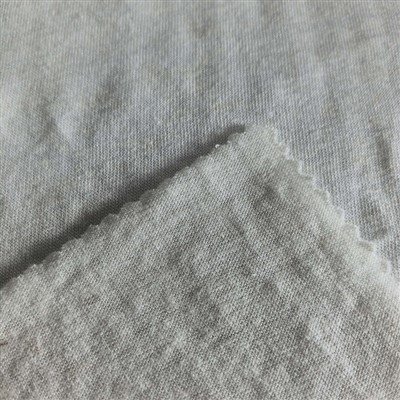
If you’re a brand looking to add a new line of scarves, or a small business that’s tired of working with fabrics that don’t hold up, let’s talk. I’ve helped dozens of brands launch their own modal scarf lines, from boutique shops to online retailers, and I can provide samples, bulk orders, and guidance on how to work with modal to get the best results. Whether you’re making lightweight summer scarves, warm winter wraps, or something in between, modal is a fabric that delivers on both quality and value.
French Terry Fabric References
- Textile Institute. (2021). Regenerated Cellulose Fibers: Properties and Applications. The Textile Journal, 118(3), 45-52.
- Sustainable Apparel Coalition. (2022). Environmental Impact of Regenerated Cellulose Fabrics. Higg Index Materials Report.
- International Organization for Standardization. (2020). Standard Test Methods for Pilling Resistance of Textile Fabrics. ISO 12945-2:2020.
- Textile Research Journal. (2019). Moisture Management Properties of Modal Fibers for Apparel and Accessories. 89(15), 3124-3132.
Shaoxing Valu Textile Co., Ltd.
Shaoxing Valu Textile Co., Ltd. is one of the most professional modal fabric manufacturers and suppliers in China. We have world-leading production equipment and strong manufacturing capabilities. Please feel free to wholesale bulk high quality modal fabric made in China here from our factory. Also, custom service is available.
Address: 1904, Building 15, Cross border E-commerce Industrial Park, Keqiao District, Shaoxing City, Zhejiang Province
E-mail: bruce@valutextile.com
WebSite: https://www.valutextile.com/
