Hey there, if you’ve ever ordered snacks, pet food, or even skincare products in that squishy, upright bag that stands up on the shelf without propping it up? Yeah, those are stand up pouches, and if you’ve ever wondered, “How much can these bad boys actually hold without splitting at the seams?” — you’re in the right place. I’ve been supplying these pouches to small brands and big box stores alike for the past 7 years, so I’ve talked through this exact question with dozens of people who were either launching their first product or reworking a line that kept failing at too high a fill weight. Let’s break this down like we’re sitting at a trade show table sipping bad coffee, no stuffy engineering jargon, just real talk that actually matters for your brand. Stand Up Pouch
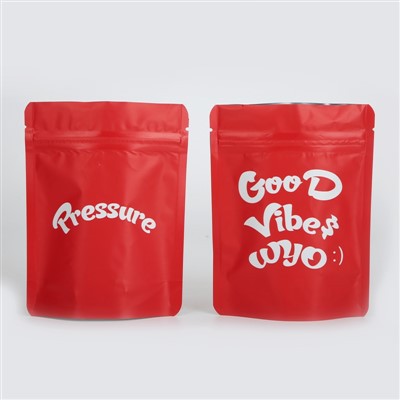
First off, let’s get one thing straight: there’s no one-size-fits-all number here. A lot of new folks come to me thinking “a pouch is a pouch, so 500g is 500g,” but that’s like saying all backpacks hold the same weight — a small daypack isn’t hauling 50lbs of camping gear, right? Same logic applies here. The weight capacity depends on three big things: what the pouch is made of, how it’s constructed, and what you’re putting inside it. Let’s go through each because skipping even one leads to a disaster (ask me how I know — I had a client who tried to pack 2kg of coffee into a 100 micron laminated pouch and ended up with 30 split bags on a production run, that was a rough Monday).
Starting with materials. Most stand up pouches you see on store shelves are laminated, right? Not just thin plastic like a grocery bag — they’re layers of different plastics stuck together. The three core layers are usually something like polyester (top layer, gives it shape), aluminum foil (or a plastic barrier like EVOH if you want “foil-free”), and polyethylene (the inner layer, seals the bag and touches your product). The thickness of these layers is measured in microns, and that’s a huge factor. For lightweight stuff like chocolate drops or dried herbs, we use a 80-100 micron laminated pouch — that’s flexible, easy to print on, and holds up great for up to 1kg of product. But if you’re packing heavy things like rice, kibble, or liquid soap? That’s where we jump to 120-180 microns. I once had a pet food brand test a 120 micron pouch for 2kg of grain — it worked, but they switched to 150 microns when they started adding chunky pieces, because the edges would rub against the sharp kibble and cause tiny tears before even hitting the shelf.
Wait, and don’t forget gussets. That’s the bottom fold that makes the pouch stand up, right? The depth of the gusset plays a bigger role than most people realize. A flat pouch with no gusset (like a regular snack bag) is fine for light stuff, but a stand up pouch needs a deep enough gusset to distribute the weight evenly. If you try to cram 1.5kg of cereal into a pouch with a 5cm gusset, all the weight piles into the narrow bottom and the seam splits. We recommend matching the gusset depth to the fill weight: 2-5cm gusset for up to 1kg, 5-8cm for 1-3kg, and if you’re going over 3kg? We usually suggest a reinforced bottom gusset, which has extra material at the base to handle that concentrated weight. I’ve had clients go as high as 10kg for bulk rice pouches, and those use a 10cm reinforced gusset with 200 micron laminate — they don’t budge.
Now, the other big variable: what’s inside the pouch? That’s a trick question because a kilo of coffee is way different than a kilo of marshmallows. Coffee is granular, dense, and kind of abrasive — so it puts more stress on the pouch seams than soft, light marshmallows. I had a craft coffee brand come to me wanting a 1kg pouch, and they originally thought a 100 micron pouch would work, but when we did a fill test, the weight of the ground coffee pulled on the top seal so much that a third of the test bags leaked at the closure. We swapped them to a 120 micron pouch with a reinforced heat seal, and that fixed it instantly. On the flip side, a brand packing 1kg of cotton swabs? A 90 micron pouch works no problem, because the product is light and fluffy, so the weight is spread out, not concentrated at the bottom or the seams. Liquid is another whole category — water is dense, so a 500ml pouch (which is ~500g) is way different than a 500g pouch of powder. For liquids, we always recommend a seal that’s not just a basic heat seal — sometimes a zippered seal with a double fold, or even a spout (wait, spout pouches have different capacity limits too, right? I’ve seen spout pouches go up to 2kg for liquid soap, but they need a thicker spout base to hold that weight).
Let’s talk real numbers, because that’s what you’re actually here for. I’ve tested hundreds of fill runs, so these are the numbers I give clients when they ask for a baseline:
- Light, low-density products (dried herbs, single-origin chocolate chips, gummy candies): 50g to 1kg. These work great with standard 80-100 micron pouches, no reinforced parts needed. I had a small candy brand launch a 750g pouch of sour keys last year, and they haven’t had a single return from split or leaking bags.
- Medium-density (granola, coffee, rice, kibble): 1kg to 3kg. Here we jump to 120-150 micron pouches, and if you’re at the upper end of that (2.5-3kg), I always suggest a reinforced bottom gusset. A lot of brands try to cut costs here and go with the same pouch as the 1kg line, but you’ll end up with more damage in transit — and that’s the last thing you want when your product is sitting on a store shelf, getting jostled by forklifts and shopping carts.
- Heavy, bulk products (bulk rice, industrial spices, large batches of pet food): 3kg to 10kg. These need heavy-duty laminates, 180-200 microns, and often a side gusset too for extra stability. I worked with a rice co-op last year that wanted a 5kg bulk pouch — we tested a few different designs, and the one with the reinforced bottom and extra side layers didn’t split even when we dropped it from 3 feet, which is basically what happens when a pallet of goods gets dropped at a warehouse.
Wait, but what about zippers? A lot of pouches have reclosable zippers now, right? That’s a game-changer for consumers, but it adds another layer of stress on the pouch. If you have a 2kg pouch with a zipper, the pull tabs on the zipper can catch on the inside of the pouch and stretch the material, or the seams around the zipper can get pulled. I always recommend for pouches over 1.5kg, use a heavy-duty zipper with a wide base that’s sealed extra tight to the pouch body. Newer clients don’t think about that, but when their bags start splitting along the zipper line, they come back asking why, and that’s the fix.
Now, let’s talk about common mistakes I see all the time. The biggest one is cutting material costs too low. I get it — every brand is trying to keep overhead down, but skimping on pouch material is a false economy. I had a small spice brand launch a 2kg paprika pouch in a 100 micron pouch, and within 2 weeks, they had 200 returns from stores where the bags had split in the display. The cost of re-shipping, refunds, and ruining their reputation was way more than the extra cost of 50 micron thicker pouches would’ve been. Another mistake is not doing a fill test. A lot of brands will order a pouch online, throw their product in, and call it good, but there’s a huge difference between sitting on a table and getting jostled for days in a shipping container. I offer free small-scale fill tests for all my clients — we make 50 test pouches, fill them with their actual product, drop them, shake them, seal them, and see if anything fails. That saves so much headache later.
Wait, and what about environmental stuff? I know a lot of brands are switching to compostable pouches now, which is awesome, but a lot of folks don’t realize that compostable materials have lower weight capacities than laminated plastic. Compostable pouches are usually made from plant-based plastics like PLA, and they start to stretch or split if you push them over 2kg, because they’re thinner and less durable. If you need a bulk pouch for 5kg, compostable might not be the right call — you’d have to go with a thicker compostable material, which is more expensive, and even then, the capacity tops out around 4kg for most compostable pouches. That’s a big consideration for eco-conscious brands that don’t want to sacrifice functionality for sustainability.
Let me wrap this up with something actionable, because I know you’re probably either launching a new product or reworking an existing line. If you’re trying to figure out the right pouch capacity for your product, start with these three questions: 1) What’s the total fill weight (in grams or kg, not just volume)? 2) What’s the density of your product? Is it light and fluffy, dense and granular, or liquid? 3) Where will your pouch go? Grocery store shelf, bulk bin, online shipping? The last one matters because if it’s going to be shipped cross-country, you need extra reinforced parts to handle transit stress.
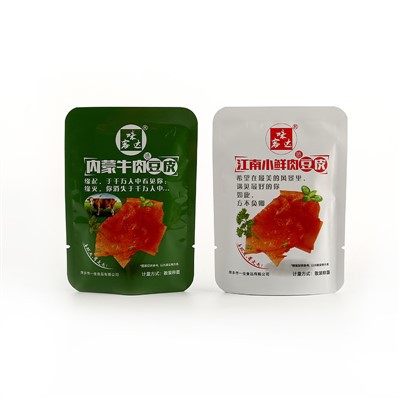
And hey, if you’re still confused — that’s why I’m here. I’ve helped hundreds of brands figure out their pouch needs, from a small 100g craft jam pouch to a 10kg bulk grain pouch. We do custom sizing, test materials, and make sure your pouches hold up to whatever you throw in them, no splits, no leaks, no ruined product.
Flat Bottom Bag If you’re ready to stop guessing and start ordering pouches that actually work for your product, hit me up. We can chat about your fill weight, product type, and whatever else you need, no sales pitch, just real advice from someone who’s been in this game long enough to know what works (and what definitely doesn’t).
References
- Flexible Packaging Association. (2022). "Standard Guidelines for Stand-Up Pouch Construction and Capacity."
- Packaging Digest. (2021). "Material Thickness and Its Impact on Pouch Performance."
- Sustainable Packaging Coalition. (2023). "Compostable Pouch Durability Testing and Capacity Limits."
Shenzhen Hongbang Packaging Production Co., Ltd.
We are one of the most experienced stand up pouch manufacturers and suppliers in China, specialized in providing high quality custom service. Please feel free to buy bulk stand up pouch made in China here from our factory. For quotation and free sample, contact us now.
Address: Room 601, BLDG D, Wisdom Centre, No. 58 Nanlian Road, Longgang, Shenzhen China 518116
E-mail: pm@hongbangpack.com
WebSite: https://www.hongbangpack.com/
