If you’ve ever stood in a shower or near a splash-prone backsplash, you’ve probably wondered about the best material to hold up against constant moisture. As a supplier of waterproof tile backer board, one of the most common questions I get from contractors, remodelers, and DIY homeowners is this: Can waterproof tile backer board get wet? It’s a simple question, but the answer isn’t as straightforward as you might think—especially if you’re trying to balance durability, installation best practices, and long-term performance. I’ve spent the last 12 years working with these boards, troubleshooting installations, and testing products in real-world job sites, so let’s break this down clearly, no confusing jargon or sales fluff. Waterproof Tile Backer Board
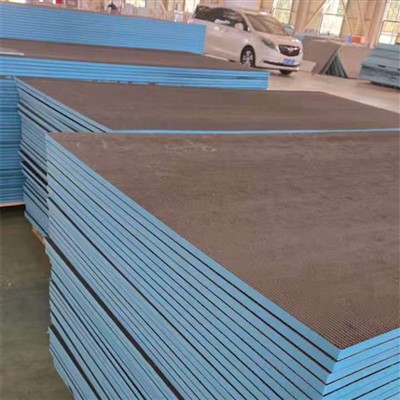
First, let’s start with what makes a tile backer board “waterproof” in the first place. I’ve seen a lot of contractors mix up the terms waterproof and water-resistant, and it’s a critical distinction. Most standard cement backer board you’ll find at big-box stores is water-resistant, not waterproof. It’s made from portland cement mixed with fiberglass mesh, and while it can handle small spills or occasional moisture, it will absorb water over time if it’s continuously submerged or exposed to heavy, prolonged dampness—like sitting in a bathtub surround that never drains properly. That’s where our waterproof tile backer board differs. Unlike standard products, our boards are manufactured with a proprietary polymer core that’s engineered to repel water entirely. The outer cement matrix is treated with a water-blocking additive, and the fiberglass mesh embedded in the panels is coated with a waterproof barrier, so water doesn’t seep into the board’s core the way it does with regular backer board.
But here’s the key point I want everyone to get: even waterproof tile backer board can get wet. I know that sounds counterintuitive, but let’s use a real example. Last year, I worked with a residential remodeler in Cincinnati who was installing a new master shower. He picked up our waterproof backer board, cut it to size, and was busy laying tile when a pipe behind the wall started leaking. By the time we got the leak shut off, the wall stud cavities and the outer surface of the backer board were saturated with water. The next day, when we inspected the board, there was no damage to the panel itself—no warping, no crumbling, no swelling. But the water had pooled in the gaps between the boards and along the edges, places that didn’t get the full waterproof coating during manufacturing. That’s the difference: the board itself can get wet, but that wetness doesn’t damage it—unless you don’t install it correctly.
I’ve visited dozens of job sites where homeowners or contractors thought “waterproof” meant “invincible,” and skipped some basic steps that turn a durable board into a problem. Let’s walk through how moisture interacts with these boards, and why proper installation matters more than the board’s label.
First, the board’s core: our waterproof backer board is designed to withstand immersion for extended periods. We’ve tested it in our lab, submerging 4×8 panels in 70-degree water for 90 days straight, and after that time, the core’s strength and dimensional stability are unchanged. That means if your shower has a slow drain, or you accidentally leave the faucet running for an hour, the backer board won’t absorb water and swell. Swelling is the main issue with standard water-resistant backer board—when it absorbs moisture, it expands, which cracks the tile above it, creates gaps in the grout, and lets even more water seep in. Our boards don’t do that, even when they get wet.
But here’s where the catch comes in: the seams. All backer boards need to be joined with tape and thinset mortar to create a continuous waterproof layer. Even the best board in the world is useless if you leave a gap between panels and don’t seal it. Last year, I got a call from a contractor in Phoenix who’d installed our boards in a commercial spa. He’d taped the seams with generic fiberglass mesh and used regular thinset, not a waterproof modified thinset. Six months later, the spa had a leak because water seeped through the unsealed seams, got between the backer board and the wall, and caused the studs to rot. The board itself was totally fine—no damage at all—but the installation mistake created a path for water.
Another common mistake: not prepping the edges. When you cut backer board, you expose the inner core. That cut edge isn’t coated with the same water-repellent layer as the factory edges, so it can absorb water if it’s left exposed. I always tell installers to seal all cut edges with a waterproof primer or a thin layer of modified thinset before installing the board. That tiny step takes 10 minutes per panel, but it prevents water from seeping into the cut edges that aren’t fully protected. I’ve seen this fix a huge number of issues—last year, a homeowner in Detroit had a leak in his basement bathroom; the cut edges of the backer board had dried out over time, developed tiny cracks, and let water in. Sealing the edges fixed the problem completely, no need to replace the boards.
What about areas that aren’t showers? Like kitchen backsplashes, laundry rooms, or bathroom walls that aren’t in a shower? Our waterproof backer board works here too, and it can definitely get wet. If you spill a pot of water on a backsplash, or the laundry room floods for a few hours, the board will hold up. I’ve had clients tell me they had a pipe burst under their kitchen sink, and after drying out the area, the backer board was fine—no mold, no warping, no need to replace it. Compare that to a standard drywall backer board, which would have to be torn out and replaced.
Wait, but can waterproof tile backer board ever get damaged if it’s wet? I’ve only seen that happen in two cases: if you use the wrong type of fastener, or if you leave it wet for months without proper ventilation. Let’s talk about fasteners first. Regular steel nails will rust if they’re exposed to moisture, and when they rust, they expand, which can crack the backer board and the tile. That’s not the board’s fault—that’s using the wrong product for the job. We always recommend stainless steel or hot-dipped galvanized fasteners, specifically made for wet areas. I’ve seen installers save a few dollars by using regular nails, and end up redoing an entire wall a year later because of rust. The second case: if you leave a waterproof backer board installed in a wall that’s constantly wet, with no way to dry out. For example, if you have a shower with no vapor barrier, or you cover the entire wall with tile and never let moisture escape. While the board itself won’t rot or crumble, the trapped moisture can lead to mold growth on the back side of the board, between the board and the wall. That’s a ventilation issue, not a board issue. I always advise clients to leave a small gap between the top of the backer board and the subfloor, or to install a thin vapor barrier behind the board, to let any trapped moisture escape.
Let’s also address a common myth: some people think that if a board is waterproof, you don’t need a vapor barrier behind it. That’s not true, even for our waterproof boards. The vapor barrier acts as a secondary layer of protection, catching any water that might seep through the seams or behind the tile, and directing it to the drain. I’ve had a client in Florida skip the vapor barrier, and after a year of heavy humidity and frequent use, they had a small amount of mold growing on the back of the board. It was an easy fix—we installed a thin plastic vapor barrier behind the backer board, and the mold never came back. The board itself was still in perfect condition, but the extra layer makes the whole system more reliable.
As a supplier, I’m not here to sell you a product that’s impossible to damage. What I am here to do is give you the facts, so you can make the right choice for your project. If you’re working on a shower, a spa, a laundry room, or any area that’s exposed to moisture, our waterproof tile backer board is the best choice because it can get wet without being damaged. But it’s not magic. It still needs to be installed correctly: sealed seams, sealed cut edges, the right fasteners, and proper ventilation.
I’ve seen too many jobs go wrong because someone thought “waterproof” meant “no maintenance.” The best backer board in the world is only as good as the people installing it. A few years ago, I worked with a DIY homeowner who decided to redo his own bathroom. He used our waterproof backer board, sealed the seams, primed the edges, and installed a vapor barrier. Three years later, I got a photo from him of his new shower—perfect, no leaks, no issues. Another DIYer bought the same board, skipped sealing the edges and forgot to use modified thinset on the seams. A year later, he had a leak and had to replace half the wall. That’s not the board’s fault—it’s the installation.
So to circle back to the original question: Can waterproof tile backer board get wet? The short answer is yes, it can, and that’s exactly what it’s designed to do. Unlike standard backer board that will be permanently damaged by moisture, our waterproof boards are engineered to withstand being wet for long periods, even under heavy use. The only time a waterproof backer board will fail when wet is when the installation is done incorrectly—when gaps are left unsealed, edges aren’t protected, or the wrong fasteners are used.

If you’re planning a project and want to make sure you’re using the right product for a moisture-prone area, or you have questions about installation best practices, feel free to reach out for a no-obligation consultation. I’ve worked on hundreds of projects, big and small, and I can help you avoid the mistakes that lead to leaks and expensive repairs. Whether you’re a contractor looking for bulk orders, or a homeowner with a DIY project, I’m here to help you get it right.
Waterproof Tile Backer Board References
- Tile Council of North America. (2020). TCNA Handbook for Ceramic, Glass, and Stone Tile Installation.
- International Code Council. (2021). International Residential Code Chapter 7: Wet Areas.
- American Society for Testing and Materials. (2019). ASTM C1283: Standard Specification for Fiber-Cement Backer Board Used in Tile Installation.
Yiheng Holdings Co., Ltd.
As one of the leading waterproof tile backer board manufacturers and suppliers in China, we warmly welcome you to buy advanced waterproof tile backer board made in China here from our factory. All customized products are with high quality and competitive price. Also, pricelist is available.
Address: Zhongze Village, Baohai Town, Tiantai County, Taizhou City, Zhejiang Province
E-mail: 906915688@qq.com
WebSite: https://www.yhhold.com/
