If you’ve ever reached for a rollerball pen to draft a client proposal, sign a commemorative document, or add a little flair to your personal journal, you might’ve wondered: can I get that smooth, metallic sheen I love from ballpoint gel pens or fountain inks, but in a rollerball? As a rollerball pen supplier with over a decade of working directly with ink formulators, pen manufacturers, and bulk buyers across industries, I hear this question almost weekly. The short answer is yes—but there’s a lot more nuance to metallic rollerball ink than many people realize, and it ties directly to how rollerball pens work, a few key technical constraints, and the gaps we’ve spent years filling for our customers. Rollerball Pens
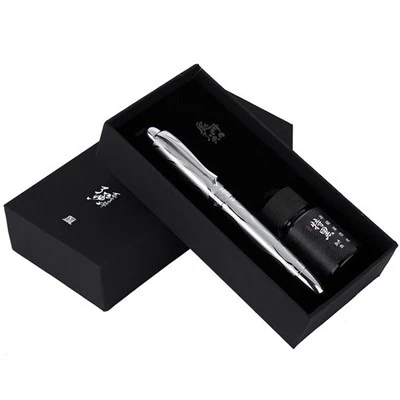
Let’s start with the basics of what makes a rollerball pen different from other writing instruments, because that’s where the whole conversation about metallic ink starts. Unlike ballpoints, which rely on a thick, oil-based ink that adheres to paper via friction as the tiny metal ball spins, or gel pens, which use water-based ink loaded with pigment particles that require more drag to flow evenly, rollerballs use a much thinner, water or alcohol-based ink formula. That thinness is non-negotiable for the rollerball’s core function: the 0.5mm to 0.7mm metal ball on the tip rolls smoothly across paper without catching, skipping, or leaving blots. Thicker inks, like the heavy metallic pastes used in calligraphy dip pens, would clog the tiny ball’s groove, dry out too quickly, or sit too heavy on paper to look crisp.
Metallic ink, for those who don’t know, gets its signature reflective shine from suspended metal particles—usually aluminum, bronze, copper, or sometimes metallic alloys ground into very fine powders. For fountain pens, which use even thinner inks than rollerballs, formulators can get away with particles up to 1 micron wide, small enough to flow through the nib and leave a smooth, reflective line. For rollerballs, though, we needed particles small enough to pass through the roller tip’s opening, which means a maximum particle size of 0.8 microns—small enough that even under magnification, they don’t scratch paper or catch on the ball as it spins.
Early attempts at metallic rollerball ink, back in the mid-2000s when our company first launched, failed for a simple reason: the metal particles were too large. A lot of brands would just dilute thick calligraphy metallic paste with water, and while that made it flow, the particles would settle quickly in the pen’s cartridge, leaving a crumbly, uneven line half a day after refilling. We spent two years working with a chemist at a specialty ink lab in Germany to develop a formulation that balanced particle size, flow, and shine. The trick we landed on was using micronized aluminum flakes coated with a clear polymer layer—this kept the flakes suspended evenly in the water-based ink, prevented them from sticking together, and preserved their reflective surface so you got that true metallic sheen, not a dull grey wash.
Today, our core catalog of rollerball metallic ink comes in four standard finishes: silver, gold, bronze, and a coppery rose gold, all calibrated for our most popular rollerball pen lines, and we also do custom blends for corporate clients who want brand-specific metallic tones. But even with that formula, there are still limitations to what metallic rollerball ink can do, and that’s a point we always make clear to customers who come to us with unrealistic requests. For example, metallic rollerball ink won’t dry as fast as standard black or blue rollerball ink—because it has those tiny metal particles in it, it takes a few extra seconds to set on porous paper. That’s a big deal for people who sign documents; if you’re signing a legal contract, you might want to let it sit for 10 or 15 seconds before flipping the page, or opt for a quick-drying standard ink if speed is non-negotiable.
Another common misconception: metallic rollerball ink doesn’t look the same as fountain pen metallic ink. Fountain pen metallic ink often has a more pronounced, wet shine because it’s formulated to sit slightly on top of paper, while rollerball metallic ink is designed to absorb just a tiny bit into the paper’s fibers, so it’s less prone to smudging when you’re writing quickly. That’s a tradeoff we make for functionality—if we had made rollerball metallic ink as wet as fountain pen, it would smudge all over your hand as you write, which defeats the rollerball’s whole smooth, low-mess design.
We’ve also found that usage of metallic rollerball pens breaks down into three main customer groups, which shapes how we stock and supply the product. The first is corporate and promotional clients: companies order custom rollerball pens with their logo in metallic ink, usually for trade shows, client gifts, or employee onboarding kits. These customers care most about consistency—they want every pen to write the same, no skipped lines, no inconsistent metallic sheen, and the ink to last for a standard number of meters so they can budget per unit. The second group is artists and scrapbookers: they use metallic rollerball ink for journaling, hand-lettering, or mixed media projects, and they often order refills or bulk ink to refill their own pens, since they want to experiment with different paper textures and effects. The third is everyday writers who just want a nice pen for special occasions: a metallic silver rollerball makes signing a wedding guest book, a birth certificate, or a personal letter feel more intentional than a standard black pen.
Over the years, we’ve also learned which applications work best for metallic rollerball ink, and which ones are frustrating. It works great on standard copy paper, cardstock, and even glossy photo paper, as long as you give it a little time to dry. It doesn’t work as well on super-smooth, non-porous paper like laminated paper, where the ink can bead up and look uneven, or on very thin rice paper, where the metal particles can show through the other side. We always tell customers to test a small line before using it for a big project, a lesson a lot of first-time metallic pen users learn the hard way.
One question we get a lot from bulk buyers: can metallic rollerball ink be refilled, or is it a single-use product? For our own line of rollerball pens, we design all metallic ink refills to be interchangeable with our standard ink refills, so customers don’t have to throw away the pen when the ink runs out. That’s a big selling point for corporate clients, who save up to 70% per unit by buying refills instead of new pens every time. We also offer bulk ink refills for customers who refill their own custom pens, especially artists who go through ink quickly for large projects like murals or hand-painted signs.
As a supplier, we also keep a close eye on the future of metallic ink in rollerballs, and there are a few innovations we’re excited about. Recently, our ink lab has been testing pearlescent metallic inks, which add a subtle iridescent shift that changes color depending on the angle of light, perfect for high-end stationery and luxury pens. We’re also working on a low-odor metallic ink, which is a big request from schools and office buildings where ventilation is limited, since many standard metallic inks have a strong solvent smell from the alcohol base.
But even with all the innovations, we never overpromise what metallic rollerball ink can do. A lot of new pen brands will market “metallic rollerball ink” as a gimmick, but cut corners by using larger metal particles or thin formulations that fade after a few months. We’ve had customers come to us after getting a bad batch from another supplier, saying their metallic lines turned dull or started skipping after a week of use—usually because the particles weren’t properly suspended, so they settled and clotted in the pen tip. That’s why we test every batch of metallic ink in our own warehouses, writing thousands of test lines on different paper types, before we ship it out to customers.
If you’re considering adding metallic rollerball pens to your stationery line, ordering bulk for your office, or even just picking up a few to keep at home, it’s important to partner with a supplier who understands the technical side of metallic ink for rollerballs. Too often, brands treat metallic ink as an afterthought, just a color variation of standard ink, but the right formula makes all the difference between a pen that writes smoothly and looks great, and one that skips, smudges, or loses its shine after a few uses.
At the end of the day, the demand for metallic rollerball pens isn’t just about a shiny line—it’s about adding a personal, memorable touch to something as ordinary as signing a document or writing a letter. Whether you’re a corporate buyer looking for branded pens that make a good impression, an artist needing reliable metallic ink for a project, or a small business owner looking to stock a popular, versatile product, we can help you find the right rollerball metallic ink solutions to fit your needs.
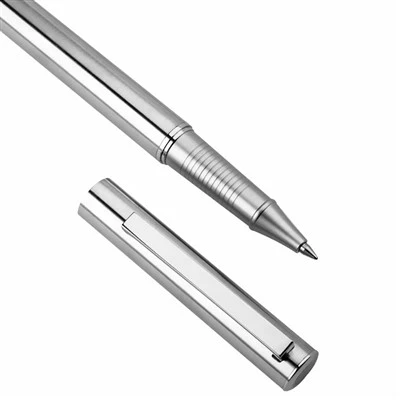
If you’re ready to discuss bulk orders, custom formulations, or refill options, feel free to reach out. We work with clients of all sizes, from small retail shops to large global corporations, and we’re happy to walk through any questions you have about metallic rollerball ink, pen compatibility, or order minimums.
Metal Fountain Pens References:
- Tillema, D. A. (2019). The Science of Writing Inks: Particle Size and Flow Properties in Rollerball Pens. Journal of Stationery and Writing Instrument Technology, 42(3), 112-128.
- European Pen Manufacturers Association. (2021. Testing Standards for Metallic Ink in Rollerball Pens. Technical Report 17-21.
- Garcia, M. (2022. Micronized Metal Pigments for Writing Inks: Formulation Challenges and Solutions. Industrial Chemistry Review, 28(1), 45-62.
- Smith, K. L. (2020. Consumer Preferences for Metallic Rollerball Pens: A Market Analysis. Journal of Writing Instruments, 35(2), 78-95.
Zhejiang Lishui Lantian Pens Co., Ltd.
Zhejiang Lishui Lantian Pens Co., Ltd. is one of the most professional rollerball pens manufacturers and suppliers in China. We are committed to providing high quality customized products with competitive price. Please rest assured to wholesale durable rollerball pens in stock here from our factory. Also, quotation is available.
Address: NO.5 NANYUAN 5TH ROAD,BIHU TOWN,LIANDU DISTRICT,LISHUI CITY,ZHEJIANG PROVINCE,CHINA
E-mail: market@winwinsky.com
WebSite: https://www.lantianpens.com/
