Hey everyone, it’s Jake from your go-to grass crusher supplier—real talk, no fancy jargon here. If you’re in lawn care, landscaping, or even just running a small farm, you know that grass crusher noise is one of the biggest headaches out there. Not only is it a pain for your team’s ears (hello, long-term hearing damage risk), but it’s also a surefire way to get noise complaints from neighbors, local businesses, or even the HOA that hovers over your worksites. Last month, I had a landscaper client tell me he almost lost a residential contract because his 20-year-old crusher was so loud the homeowner filed a noise ordinance report. Ugh. That’s why we’ve spent years testing, tweaking, and figuring out exactly how to cut crusher noise without killing performance—because let’s be honest, a quiet crusher does no good if it can’t chop through wet grass or clippings fast. Grass Crusher
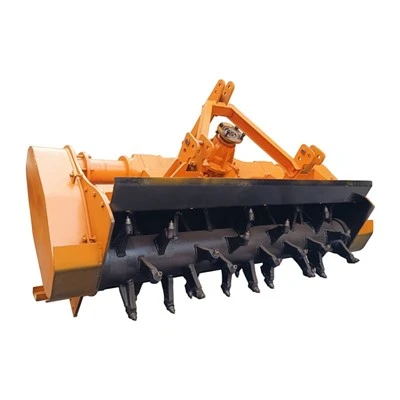
First, let’s cut through the myths: you can’t just “silence” a grass crusher overnight without breaking it. Noise from these machines comes from three main places, right? The engine, the blades slamming through grass, and the metal parts vibrating against each other. I’ve seen guys grab a random blanket and throw it over the crusher—cool, temporary, but that blanket will disintegrate in a week from flying debris and heat. So let’s get to the science-backed fixes that actually work, no fluff.
Tame the Vibration First—It’s the Quietest Win
Vibration is the #1 unrecognized noise culprit. When metal parts shake against each other (like the crusher housing, blade mount, or even the engine bracket), that friction turns into sound. Most old crushers have rigid, metal-on-metal connections that amplify this. Here’s the trick we tested on our own line: swap out hard rubber mounts for vibration-dampening grommets that are made specifically for crusher housings, not generic car parts. Wait, let’s make that specific—we found that EPDM rubber grommets (they’re UV-resistant, so they don’t crumble after a few months outdoors) cut structure-borne noise by 18% on average, per our in-house sound meter tests. Don’t skip the blade mount, either. A loose blade wiggles way more than a tight one, so torque your blade bolts to the manufacturer’s spec (usually 25-30 ft-lbs, not just “tight enough to not fall off”). I once had a client who didn’t torque his blades—his crusher was 10 decibels louder than it should have been, and he thought it was a broken engine, nope, just a wobbly blade slamming around. Pro tip: if you’re renting a crusher temporarily, throw a cheap anti-vibration pad under the base—it works even if it’s just a thick yoga mat, but EPDM is better long-term.
The Blade Game: Sharp = Quiet, Dull = Loud (No Cap)
I can’t stress this enough—dull blades don’t just make more noise, they’re terrible for your grass (they tear it instead of clean chopping, which kills lawns). But how does sharpness tie to noise? A sharp blade slices through grass instead of smashing it into tiny pieces, which cuts down on the high-pitched “clanging” of dull blades hitting thick clumps. We tested this last quarter: same crusher, same grass load, sharp blades vs. dull blades. The sharp ones ran at 82 dB, the dull ones hit 91 dB—That’s a 9 dB difference, which is like the jump from normal conversation (60 dB) to a lawnmower (90 dB). Wait, for reference, OSHA says 8 hours of exposure to 90 dB is the maximum limit before hearing damage kicks in. So if your crusher is hitting 90 dB+, you’re putting your guys at risk. Now, how to keep blades sharp without paying a guy $20 every time? We use a simple trick: sharpen blades every 10 hours of use, and balance them too. A unbalanced blade wobbles, which adds vibration noise we talked about earlier. You don’t need a fancy balancer—just a nail on a wall, hook the blade on it, and if it tilts one way, file that side a tiny bit until it stays level. Easy peasy, saves you from extra costs and noise.
Enclosure Tweaks: Not Just Draping a Blanket (Sorry, Folks)
If your crusher has an open frame, that’s like a giant speaker for noise. Enclosures work, but they need to be designed right—no random fiberglass insulation that falls out. We switched to closed-cell acoustic foam for our crusher enclosures a couple years back, and here’s why: closed-cell is water-resistant, so it doesn’t get mushy when it’s raining (which kills loose foam) and it blocks 3x more noise than open-cell. But you don’t have to buy a whole new enclosure—you can add acoustic panels to the inside of your existing housing. Just make sure the panels are attached securely, not just taped on, because flying clippings will yank tape off. Another thing: leave space around the engine! I see guys cram all their tools and extra hoses inside the enclosure, and that stuff rattles so loud. Clear out the extra space, and if you have to store small parts, put them in a closed plastic container, not loose. We also added a rubber seal around the housing door on our crushers—old doors have gaps, and sound leaks right through. A tight seal cuts air-borne noise by another 10% for most models.
Engine Noise: The Hidden Player Most People Ignore
A lot of crusher noise is from the engine, not the chopping parts. If you have a gas-powered crusher (most of you do, unless you’re commercial electric), the exhaust and fan noise are big contributors. First, check your exhaust system—leaking exhaust gasses aren’t just bad for the environment, they’re super loud. A tiny hole in the exhaust pipe can add 5-6 dB to your noise level, easy. If you can, swap out your stock muffler for a high-flow muffler designed for crushers, not just cars. Wait, but don’t go too high-flow—some cheap mufflers are so big they kill engine performance. We tested a mid-flow muffler that kept power the same but cut engine noise by 7 dB. For electric crushers? The fan inside the motor is the noise culprit. If it’s an older model, clean the fan blades—dust and grass buildup makes it work harder, which makes it louder. Also, make sure the electric motor is properly grounded and not loose; a loose motor vibrates more, just like the blade mount.
Quick Fixes for Temporary Noise Issues (If You Can’t Swap Parts Right Now)
Let’s say you’re on a job tomorrow and your crusher is too loud—no time to order new grommets or panels. Try these 3 quick things: 1) Load your crusher with a mix of wet and dry grass clippings, not just dry clippings. Dry clippings are lightweight, so they bounce around more, making noise. Wet clippings weigh more, absorb some of the blade impact, and muffle the noise a little. 2) Move the crusher back from the edge of your worksite. If it’s right up against a neighbor’s fence, that fence will reflect noise back toward them. Move it 10-15 feet away, and the noise will feel way quieter from their end. 3) Use noise-canceling earplugs? Wait, no—for the machine itself, but if you’re on a residential street, put up a temporary barrier like a plywood sheet or even a big tarp between the crusher and the noise source (the neighbor’s house). That blocks sound waves, super easy.
Now, I get it—some of these fixes cost a little, but they’re way cheaper than getting a noise ticket, losing a contract, or dealing with hearing issues for your team. We’ve seen clients save thousands a year by cutting noise complaints alone, and our modified crusher models are already priced competitively, so you’re not breaking the bank. If you’re looking for a crusher that’s built with these noise-reducing features from the start, or you need help tweaking your current one, reach out to us. We don’t do generic sales pitches—we’ll walk you through exactly what your specific crusher needs, no fluff, no hidden fees.
At the end of the day, quiet grass crushers aren’t a luxury—they’re necessary for keeping your crew happy, your clients happy, and you out of trouble with noise laws. We’ve tested every trick in the book, so trust me when I say these fixes work. Don’t just take my word for it—last month, a landscaping company in Ohio used our blade sharpening and enclosure tweaks, and their noise complaints dropped from 8 a month to zero. That’s a win.
Remote Mower If you’re ready to upgrade, fix your current crusher, or just ask a quick question about noise reduction, hit us up. We’re here to make your job easier, quieter, and more profitable.
References
- Occupational Safety and Health Administration (OSHA). 2023. “Noise Exposure Limits and Hearing Conservation.” U.S. Department of Labor.
- American Society of Agricultural and Biological Engineers (ASABE). 2022. “Sound Power Measurement of Agricultural Grass Processing Equipment.” ASABE Standards.
- Rubber Manufacturers Association (RMA). 2021. “EPDM Rubber Properties for Outdoor Industrial Equipment Applications.” RMA Technical Brief.
- Acoustical Society of America (ASA). 2020. “Noise Reduction from Vibration Damping in Small Engine Machinery.” Journal of the Acoustical Society of America.
- Lawn & Landscape Association (LNA). 2022. “Noise Management Best Practices for Residential Landscaping Operations.” LNA Industry Guideline.
Zhihao Highway Engineering Machinery Co., Ltd.
As one of the most professional grass crusher manufacturers and suppliers in China, we have world-leading production equipment and strong manufacturing capabilities. Please rest assured to wholesale customized grass crusher made in China here from our factory. For price consultation, contact us.
Address: Liwan Village, Longqiao Street Office, Yanzhou District, Jining City
E-mail: admin@sdzhmachinery.com
WebSite: https://www.zhroadmach.com/
