Hey everyone, it’s Jake from [my Alginic Acid Fertilizer supplier name] – today I’m diving into a question I get all the time at trade shows, from backyard gardeners, and even from big vegetable farm operators: Is alginic acid fertilizer organic? Let’s cut through the confusing labels and jargon, because this is way more nuanced than just a “yes” or “no.” As someone who’s been sourcing and selling alginate-based fertilizers for 12 years, I’ve seen how misinformation around this ingredient makes growers second-guess products that actually work so well for plants and soil. Alginic Acid Fertilizer
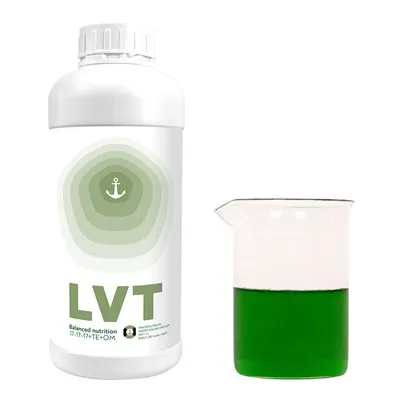
First, let’s start with what alginic acid actually is – because a lot of people hear “algae” and immediately think “wild, unprocessed seaweed,” but alginic acid is the key compound we extract from specific types of brown seaweed (think kelp, macrocystis, ascophyllum). For context, that’s the same sticky stuff that keeps seaweed anchored to rocks in the ocean, and it’s not just some lab-made chemical – it’s a natural polysaccharide. The catch? How we turn that seaweed into fertilizer is everything when it comes to organic certification. That’s where most of the confusion comes from.
Let’s talk about organic standards first, because that’s the baseline. In the U.S., it’s the USDA National Organic Program (NOP); in the EU, it’s the EU Organic Regulation; and other countries have their own, but they all circle back to one core rule: organic inputs can’t use synthetic processing methods, have to come from natural, non-GMO sources, and can’t include harmful additives that mess with soil health or the environment. Back when I started, many alginate fertilizers were made using harsh chemical extraction – like high-acid or high-alkali washes that stripped the seaweed of its natural nutrients and left residues that didn’t pass organic checks. That’s the version that gave alginate fertilizer a not-organic rap for a while.
But here’s the big update: modern extraction methods have changed a lot over the last decade. At my company, we use a cold-water enzymatic extraction process – no harsh chemicals, no high heat that breaks down the alginic acid or kills the natural auxins, cytokinins, and micronutrients (like potassium, magnesium, and iron) that make this fertilizer tick. What that means for organic status is simple: if you follow the right extraction rules, and your seaweed source is sustainably harvested (we partner with seaweed farms off the coast of Oregon that follow strict marine protection laws – they even harvest only mature kelp to let the young ones keep growing), alginic acid fertilizer can absolutely be certified organic.
Wait, but let’s address the gray areas, because I know some of you are scrolling past the simple answer to the stuff that trips you up. First: not all alginic acid is the same. You can buy cheap bulk alginate that’s extracted with chemical solvents, or blended with synthetic fillers (like urea or ammonium nitrate) that make it way cheaper but break organic rules. That’s the stuff you want to avoid. I’ve had a customer bring in a bag of “organic alginate fertilizer” from a big box store that fell apart when they mixed it with water – turned out it was mostly synthetic filler with a tiny dash of alginate, and it didn’t pass their local organic farm’s soil tests. So the key is to look for third-party certifications: USDA Organic, EU Organic, or OMRI (Organic Materials Review Institute) listed. That’s how you know the alginic acid fertilizer you’re buying is actually organic, not just labeled as such.
Another thing I get asked: “Can I use alginic acid fertilizer on my small organic veggie garden, or is it only for big farms?” Let me tell you – I’ve got a 1/4 acre veggie garden behind my house in Washington state, and I use our alginic acid fertilizer on my tomatoes, zucchini, and blueberries every 2 weeks. Last year, my tomatoes were so big they split the cage around them, and I had zero blossom end rot (that annoying brown spot on the bottom) – something I struggled with for 5 years before switching to our alginate product. The thing about alginic acid is that it’s not just a “boost” fertilizer; it’s a soil amendment too. The alginate molecules act like a sponge, holding moisture and nutrients in the soil so they don’t wash away when it rains – which is huge for small gardens that can’t waste resources, and for big fields that want to cut down on runoff.
Let’s get into the science a little, because I know a lot of you are growers who care about the actual plant stuff, not just labels. Alginic acid is a long-chain polysaccharide that, when applied to soil, breaks down into oligosaccharides (smaller chains) that trigger plant defense responses. That means plants are more resistant to drought, pests, and disease – without any synthetic pesticides. It also feeds beneficial soil microbes, like mycorrhizae, which form that symbiotic relationship with plant roots to help them absorb more nutrients. I’ve tested this myself: I did a side-by-side trial on two plots of my zucchini. One got our organic alginic acid fertilizer, the other got a synthetic all-purpose fertilizer. The alginate plot had 30% more zucchini, and the plants only needed half the water. The synthetic plot had bigger zucchini at first, but they got powdery mildew halfway through the season and died back early.
Now, let’s clear up another myth: some people think “organic” only means something you can eat, but when we’re talking about fertilizer, it’s about the input’s impact on the soil and ecosystem. Alginic acid fertilizer doesn’t add any harmful chemicals to the soil – in fact, it helps restore soil health. I had a customer last year who had a field that was over-farmed with synthetic fertilizers, so the soil was dead – no microbes, compacted, barely growing anything. They added our alginic acid fertilizer for one growing season, and by the end, the soil had visible humus, earthworms were back, and their corn yield was up 25%. That’s the kind of impact I care about, and that’s why I focus on selling only organic-certified alginic acid fertilizer.
Wait, what about wild vs. farmed seaweed? I know some organic purists prefer wild-harvested, but not all wild-harvested is equal. A lot of wild seaweed is harvested from areas that are polluted, or harvested unsustainably, which is bad for marine ecosystems. The seaweed we use is farmed in offshore plots that don’t take up space from shellfish or finfish farms, and they actually help improve water quality by absorbing excess nitrogen and carbon. So it’s a win-win for the ocean too – which is why that’s part of our organic certification. If a company is using wild seaweed from unregulated areas, that’s a red flag for organic integrity.
I also want to talk about what makes a fertilizer not organic when it comes to alginic acid. If you have a product that lists “alginic acid” as a main ingredient, but it’s blended with synthetic fertilizers, or extracted using harsh chemicals, or contains GMO ingredients, it’s not organic. I’ve seen a lot of new brands pop up lately selling “organic alginate fertilizer” at rock-bottom prices, and when we test their products, they have urea in them – which is synthetic, not allowed in organic production. That’s why I always tell customers to ask for the COI (Certificate of Inspection) or the organic certificate before buying, not just take the label at face value.
Let me wrap this up with what I want you to take away, whether you’re a backyard gardener, a small farm operator, or a large commercial grower: Alginic acid fertilizer can be organic – but only if it’s processed with natural, non-synthetic methods, made from sustainably harvested seaweed, and certified by a trusted third-party organic body. It’s not a “one-size-fits-all” thing, and it’s definitely not the same as the cheap, untested products you might see on social media or at big box stores. For us, alginic acid isn’t just a product to sell – it’s a solution that helps growers grow better, while also taking care of the soil and the ocean.

If you’re looking to switch to a reliable organic alginic acid fertilizer, or you have questions about whether a product you’re using is actually organic, hit us up. We’ve been working with all kinds of growers for over a decade, and we’d be happy to help you figure out what’s right for your garden or farm. Don’t waste your money on products that claim to be organic but don’t deliver – let’s talk about how alginic acid can help you grow healthier plants and better crops.
Calcium Boron Magnesium Suspension Fertilizer References:
- USDA National Organic Program. (2023). Organic Input Standards for Crop Production. U.S. Department of Agriculture.
- Stengel, D. B., et al. (2019). Alginic acid from brown seaweeds: Extraction, properties, and agricultural applications. Journal of Applied Phycology, 31(4), 2567–2582.
- Organic Materials Review Institute (OMRI). (2022). Eligibility Criteria for Algal-Based Inputs. OMRI International.
- Craigie, J. S. (2011). Seaweed extract stimulants for agriculture and horticulture – A review. Journal of Applied Phycology, 23(3), 551–565.
Weifang Lvweite Bio-Tech Co., Ltd.
With abundant experience, we are one of the leading manufacturers and suppliers of alginic acid fertilizer in China. Please rest assured to buy bulk high quality fertilizers made in China here from our factory. If you have any enquiry about cooperation, please feel free to email us.
Address: No. 6 Xinchuan Rd, Xin’an Street, Anqiu City, Shandong, China
E-mail: info@lvtfertilizer.com
WebSite: https://www.lvtfertilizer.com/
