Let’s cut to the chase—if you’ve ever stood behind a loaded tractor truck climbing a steep grade, heard that distinct growl that’s not from the engine, and thought, “How do those big rigs stop without burning out their regular brakes?” you’ve experienced an exhaust brake in action. As someone who’s supplied tractor trucks for over a decade, I get asked this question all the time by owner-operators, fleet managers, and even new drivers who’ve only ever driven passenger cars. It’s not magic, but it is a clever piece of engineering that keeps our trucks safe, extends brake life, and saves operators thousands in maintenance costs. Let’s break down exactly how it works, why it’s non-negotiable for heavy hauls, and why picking a truck with a well-designed exhaust brake isn’t just a nice-to-have—it’s a smart investment. Tractor Truck
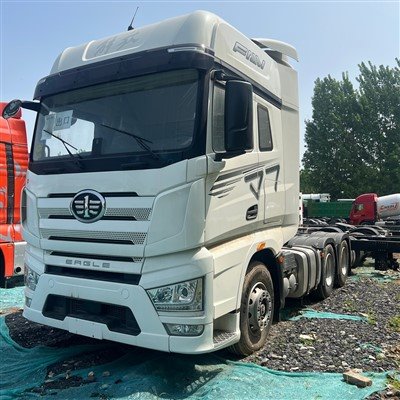
First, let’s ground this in what we already know about how regular brakes work for tractor trucks. Your average passenger car uses friction brakes: pads that clamp rotors to slow the wheels, converting kinetic energy (all that momentum from a moving 80,000-pound rig) into heat. The problem with heavy-duty trucks is that friction brakes can only handle so much of that heat before they start to fade. On a 10-mile downhill grade, riding your service brakes the whole time can turn those rotors and drums so hot they crack, warp, or even catch fire—especially if you’re carrying a full load of freight, gravel, or heavy machinery. That’s where the exhaust brake comes in: it’s a secondary braking system that takes the force of the engine itself to slow the truck, no friction required.
To understand how that works, you need to remember the basics of how a diesel engine runs, because almost all heavy tractor trucks use diesel engines. A diesel engine isn’t like a gas engine that has spark plugs to ignite fuel. It compresses air in the cylinders to such high pressure that when you inject fuel, it ignites on its own. The process of running a diesel engine requires two key things: air flowing through the cylinders, and exhaust gases flowing out through the exhaust system. Under normal operation, when you hit the accelerator, you add more fuel, the engine burns it, and exhaust gases rush out to push the truck forward. When you let off the accelerator, fuel flow drops, but the engine’s moving parts—pistons, crankshaft, connecting rods—are still spinning, creating what’s called “engine drag.” It’s the same feeling you get when you let off the gas in a manual car and it slows without touching the brakes, only amplified for a heavy diesel engine.
A stock diesel engine’s natural drag is barely enough to slow a loaded tractor truck on a moderate downhill grade, so the exhaust brake’s whole job is to crank that drag up to 11. The core component of almost every modern exhaust brake is a butterfly valve—think of a giant flapper door—mounted in the exhaust pipe, right between the engine’s manifold and the muffler. Here’s how it activates: when the driver hits the exhaust brake switch (usually a lever on the steering column, separate from the regular brake pedal), the valve slams shut almost instantly. That creates a bottleneck in the exhaust system. Exhaust gases can’t flow out freely, so they build up pressure in the cylinders as the pistons try to push them out. That backpressure is the key to the whole system.
Now, let’s connect that backpressure to braking force. As the pistons move up and down in the cylinders during the engine’s exhaust stroke, they have to push against that built-up exhaust pressure. The harder the pistons work against the backpressure, the more force it takes to spin the crankshaft—meaning the engine acts as a giant, slow-down machine instead of a forward-moving one. It’s like trying to blow up a balloon while someone’s squeezing the end: all that effort you’re putting in is wasted against the pressure, which turns into resistance that slows whatever’s connected to the engine.
But here’s where the engineering gets even smarter, and why a lot of budget exhaust brakes fall short. A basic butterfly valve exhaust brake works, but it’s not very efficient at higher engine speeds, like when you’re going downhill at 55 mph. That’s where many newer models use a more advanced system called a variable exhaust brake, or sometimes a compression release brake (that’s the technology those big names like Jake Brake use, though not all exhaust brakes are Jake Brakes—important distinction I always make with customers). A compression release brake doesn’t just trap exhaust; it also manipulates the engine’s valve timing to release that built-up pressure at the top of the piston’s upward stroke, instead of letting it be reused for the next power stroke.
Let me explain that a little more simply. In a normal diesel engine, after the exhaust stroke, the next step is the intake stroke (drawing in fresh air) then the compression stroke (squeezing that air for the next fuel injection). A compression release brake tweaks the camshaft, which controls the engine’s valves, so right when the piston is at the top of the compression stroke, the exhaust valve pops open for a split second to release all that built-up pressure. That means all the energy the piston worked to create compressing the air is lost, instead of being turned into power to move the truck forward. Double whammy: you’re dealing with backpressure from the exhaust valve being shut, and you’re wasting the compression energy, resulting in way more engine drag than a basic butterfly valve system.
I’ve seen firsthand how that difference plays out on the road. A customer of mine, a long-haul owner-operator based in Montana, used to run a cheap used truck with a basic exhaust brake that struggled going over the Rocky Mountain passes. He’d have to pump his service brakes every few minutes on 7% downgrades, and after a trip, he’d have to replace brake shoes every 20,000 miles. When he upgraded to a tractor truck with a variable compression release exhaust brake, he told me he now only uses his service brakes for pulling to a stop at the end of a grade—his brake shoes last over 100,000 miles. That’s not just a convenience; that’s thousands of dollars a year he keeps in his pocket.
Now, let’s bust a common myth I hear all the time: “Exhaust brakes damage the engine.” I get it—when that valve slams shut and you hear that loud, deep growl, it sounds like something’s screaming. But modern exhaust brakes are designed specifically for diesel engines, and the backpressure and compression release forces are regulated to never exceed what the engine is built to handle. The only time you’d have an issue is if you use your exhaust brake improperly—like slamming it on and off at high speed, or using it when you’re already at a dead stop. When used correctly, it’s not putting more stress on the engine than normal operation. The wear it actually eliminates? It saves the engine way more in the long run than any minor stress from the brake system itself.
Another big point for anyone in the market for a tractor truck: not all exhaust brakes are the same. Some are engineered for light to medium hauls, while heavy-duty models for 80,000-pound loads and steep mountain grades need a system that can handle consistent high backpressure without overheating. When I’m working with fleet managers, I always walk them through the specs: look for an exhaust brake that’s integrated with the engine’s ECU (engine control unit), because that means it adjusts in real time based on your speed, load, and grade. Older, standalone exhaust brakes can be too aggressive or not aggressive enough depending on conditions, which is why many modern truck models pair their exhaust brake with a retarder—another secondary braking system, usually hydraulic, that works with the exhaust brake for maximum stopping power on super long grades.
Let’s talk about how to actually use an exhaust brake correctly, because even the best system won’t do you any good if you don’t operate it right. The biggest rule is: don’t wait until your service brakes are already overheating to engage it. When you approach a downhill grade, slow down a little first, then set your exhaust brake to the appropriate level. Most systems have multiple settings—low for gentle grades, high for steep ones. Start on a lower setting, and if you feel like you’re slowing too fast, adjust it up or down. Never ride the exhaust brake nonstop the whole grade, either. Engage it when you need to slow, then let off periodically to let a little exhaust flow through, which prevents any buildup of pressure that could cause issues. And always remember: the exhaust brake is not a replacement for service brakes. You still need to use your regular brakes to come to a complete stop, especially in wet or icy conditions, but the exhaust brake cuts down how much you need to press that pedal.
At the end of the day, the exhaust brake is one of those unsung innovations that makes heavy trucking safer, more efficient, and less expensive for operators. As a tractor truck supplier, I’ve seen too many accidents over the years that could’ve been prevented if the driver had a reliable exhaust brake, too many fleets bleeding money on premature brake replacements, and too many owner-operators burning through fuel because they’re riding their brakes instead of using this powerful, engine-based system. If you’re in the market for a new or used tractor truck, don’t just focus on horsepower and torque—ask about the exhaust brake, how it’s engineered, and how it will perform for the routes you run.
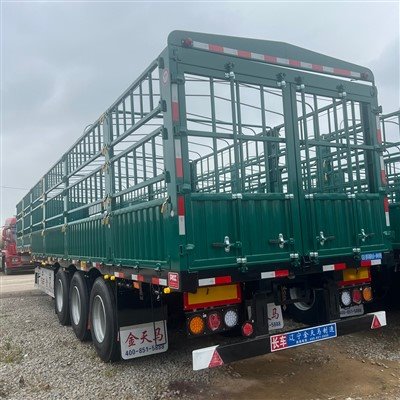
If you’re looking to upgrade your fleet, replace an old truck, or just want more information on how an exhaust brake can benefit your operations, get in touch with us. We’ve helped hundreds of owner-operators and large fleets find the right tractor trucks with the best braking systems for their specific needs, and we can walk you through all the specs, test ride options, and financing to fit your budget. Don’t wait until you’re stuck on a mountain grade with fading brakes to realize how important this system is—reach out today to talk through your requirements and find the perfect truck for your haul.
Auman Tractor Truck References:
- Society of Automotive Engineers (SAE) International. (2019). Heavy-Duty Diesel Exhaust Brake Systems: Design, Operation, and Performance Metrics. SAE International Journal of Commercial Vehicles.
- Diesel Technology Forum. (2021). Heavy-Duty Diesel Engine Brake Systems: A Guide for Fleet Operators and Owner-Operators. Diesel Technology Forum Publication.
- Federal Motor Carrier Safety Administration (FMCSA). (2022). Commercial Vehicle Brake Safety: Secondary Braking Systems and Best Practices. FMCSA Office of Motor Carrier Safety.
Jining Yaochi Automobile Trading Co., Ltd.
With abundant experience, we are one of the most professional tractor truck manufacturers in China. Please feel free to buy cheap tractor truck made in China here from our factory. Quality products and reasonable price are available.
Address: Liangshan Industrial Park, Jining City, Shandong Province, China
E-mail: Yzhiying23@gmail.com
WebSite: https://www.yaochitruck.com/
