Hey everyone, it’s Jake from [Your Company Name] — I get so many questions from new customers and even some folks who’ve been around the block with electric furnaces: “Can an electric furnace actually run on a generator?” Let me cut to the chase first: it’s not a straight yes or no, but if you get the details right, it 100% works. I’ve seen too many people burn out their furnaces or generators because they skipped a few key checks, and that’s exactly what I’m here to clear up today. Electric Furnace
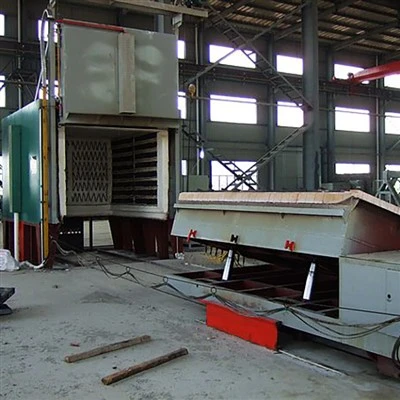
First, let’s break down what an electric furnace even needs to run, because that’s the foundation here. My team and I install these units for workshops, small manufacturing spaces, even residential workshops, and the one thing we always walk customers through is power requirements. Electric furnaces draw a lot of what’s called “continuous load” — that’s power they need to keep flowing without dropping off, because if the power dips even a little mid-heat cycle, your furnace might shut down unexpectedly, or worse, fry its heating elements. Most standard electric furnaces (for small to mid-scale use, like the ones we sell) run on 240V single-phase power, right? Some larger industrial models are three-phase, but we’ll stick to the ones our customers actually use for now.
A lot of people make the mistake of grabbing a small portable generator they use for camping or powering a fridge during outages, and that’s where they go wrong. Those generators are usually rated for surge power — the extra kick they need to start something — but not continuous power. Let’s say you have a 10kW electric furnace. That doesn’t mean you just need a 10kW generator; you need a generator that can handle the surge when the furnace turns on too. Heating elements for furnaces have to warm up from room temperature, so they draw 2-3x their normal running wattage for the first 10-15 seconds. That’s surge power, and if your generator can’t handle that, it’ll drop the voltage or even shut off to protect itself. I’ve had a customer last year who tried a 12kW portable generator for his 8kW furnace — it burned out his furnace’s element in two weeks because the generator couldn’t keep the surge steady. He ended up swapping for a 20kW continuous-rated generator, and that’s been smooth sailing ever since.
Wait, let’s clarify that “continuous rated” vs “surge rated” thing — it’s not just jargon. Generators have two power numbers: surge (or peak) power, which is the maximum they can do for a few seconds, and continuous power, which is what they can deliver nonstop for hours. For an electric furnace, you need the generator’s continuous power to be at least 125% of the furnace’s running wattage. That’s a hard rule, not a suggestion. So if your furnace runs at 10kW, you need a generator that can do at least 12.5kW continuous. But don’t stop there — add another 20-25% to cover that surge load. So that 10kW furnace would need a 15-16kW continuous generator minimum. Trust me, skipping that extra buffer is how you end up with dead equipment, and neither you nor I want that.
Another big factor: generator type. Inverter generators vs conventional portable generators. Inverter generators are lighter, quieter, and deliver “clean power” — that means the electricity is consistent, with clean sine waves, just like what you get from the grid. Conventional generators have a bit more voltage fluctuation, which can stress sensitive components in your electric furnace over time. Especially if you’re running the furnace for hours on end — a conventional generator’s inconsistent power can cause your thermostat to cycle too often, wearing it out faster. Now, inverter generators are usually more expensive per kW, but for an electric furnace, they’re worth it. We recommend inverter generators for all our customers who plan to run their furnaces off-grid or during power outages, just to avoid long-term damage.
Wait, but what if you have a larger industrial electric furnace — like a 50kW three-phase one? That’s where things get a little trickier. A lot of small portable generators can’t handle three-phase power, so you’d need a bigger industrial generator, usually 75-80kW continuous, with three-phase output. Those are way bulkier and more expensive, but for folks running small metal casting operations or heat treatment for parts, it’s doable. We’ve had a few manufacturing clients who set up backup generator systems specifically for their furnaces, and it’s worked out great — they don’t have to shut down production if the grid goes out, which saves them thousands in lost product and labor.
Now, let’s talk about the real-world tests I’ve seen over the years. Last winter, a customer in rural Ohio lost power for 18 hours — his regular grid power went down because of a ice storm. He had a 18kW continuous inverter generator, hooked it up to his 12kW electric furnace, and ran it nonstop for 16 hours until the power came back. No issues, no shutdowns, just consistent heat for his metal forging projects. On the flip side, another customer tried a 15kW conventional generator for the same 12kW furnace — after 4 hours, the generator’s voltage dropped, the furnace tripped its overload, and he had to wait another hour for the generator to cool down before he could restart. That’s the kind of hassle you want to avoid, so don’t cut corners here.
Another thing to consider: fuel type. Most generators run on gasoline, diesel, propane, or natural gas. Gasoline is fine for short-term use, but if you’re running the furnace for more than a few hours, diesel or propane is better — they burn longer and are more reliable. We have a customer who runs a propane generator for his 15kW furnace; he fills a 500-gallon tank once a month, and that’s enough to run the furnace every day for 8 hours. Gasoline would be way more expensive and require constant refilling, so it’s not ideal for long-term runs. Also, make sure your generator has enough fuel capacity to cover your furnace’s run time — if you’re running 10 hours a day, a small gasoline generator might only have 8 hours of runtime, so you’ll have to refuel in the middle, which can disrupt your heat cycle.
Wait, what about voltage matching? Your electric furnace is wired for 240V, right? The generator has to output 240V as well — don’t hook up a 120V generator, that’s a surefire way to break the furnace. Some generators are dual-voltage, which is great, just make sure you set it to 240V before connecting it. Also, you need the right cables — heavy-duty extension cords, not the flimsy ones you use for your lawnmower. Those thin cords cause voltage drop, which means your furnace isn’t getting the full power it needs, same as if the generator was too small. We always recommend 10-gauge or heavier cords for running electric furnaces off generators, and keep the cord length as short as possible — 25 feet max, if you can. Longer cords = more voltage drop, which adds up to stress on your equipment.
Let me answer a common question I get: Can you run any electric furnace on a generator? Technically, yes, but it depends on the size. Our smallest furnace is 5kW, which would work with a 10kW continuous generator — that’s even a portable inverter one, easy to move if you need it. Our largest commercial furnace is 100kW, which would need a 125kW continuous industrial generator, but that’s for big operations. If you’re using a hobbyist or small workshop furnace, 5-15kW, it’s totally doable with a mid-sized generator. The key is not going under on power rating, and picking an inverter type for clean power.
Now, let’s talk about mistakes people make that I’ve seen too often. Number one: Under-sizing the generator. I already mentioned the 125% rule, but so many people just match the generator’s kW to the furnace’s running wattage, forgetting surge. Number two: Using the wrong generator type — conventional instead of inverter, leading to inconsistent power. Number three: Flimsy cords and long distances, causing voltage drop. Number four: Forgetting about fuel, leading to running out mid-cycle. Number five: Not getting a transfer switch. Wait, that’s a big one! You should never plug a generator directly into your furnace or your home’s wiring without a transfer switch. A transfer switch is a safety device that ensures power only flows from the generator to your furnace, not back into the grid — which can kill utility workers working on the lines. It’s also prevents your furnace from drawing too much power and causing fires, so it’s a must. We always recommend installing a transfer switch any time you’re running a furnace off a generator, and our team can help with that setup if you’re not comfortable doing it yourself.
Wait, let’s circle back to why this matters for you, especially if you’re running an electric furnace for work. A lot of our customers rely on their furnaces for regular production — if you lose power mid-heat cycle, you can ruin a batch of castings or heat-treated parts, which is a huge loss. A generator-compatible setup means you can avoid that downtime. I had a customer last year who lost a $2,000 batch of aluminum parts because of a 2-hour power outage; he installed a generator system after that, and hasn’t had a loss since. That’s the peace of mind you get when you do it right.
Is there any scenario where it’s not worth running a furnace on a generator? If you only use the furnace once a month, and the power outages are super rare, it might not be worth the cost of a big generator. But if you’re using it weekly, or your area has frequent power issues, it’s a game-changer. And for off-grid locations — like a workshop in a remote area with no grid power — it’s essential. We have a few customers who set up permanent generator connections for their furnaces out in the country, and it’s worked out perfectly for years.
Let me wrap this up with a quick step-by-step checklist if you’re thinking about setting this up:
- Find your furnace’s total running wattage and surge wattage (you can get this from your furnace manual, or email us if you can’t find it).
- Calculate the minimum generator size: continuous power should be 125% of running wattage, plus enough surge capacity to match your furnace’s surge.
- Pick an inverter generator for clean power, or a conventional industrial generator for larger loads.
- Get a heavy-duty, short extension cord (10-gauge or thicker, under 25 feet).
- Install a transfer switch (always prioritize safety here).
- Test the whole setup before you need it — run the furnace for 1-2 hours to make sure it’s working without issues, check for any voltage drop or overheating.
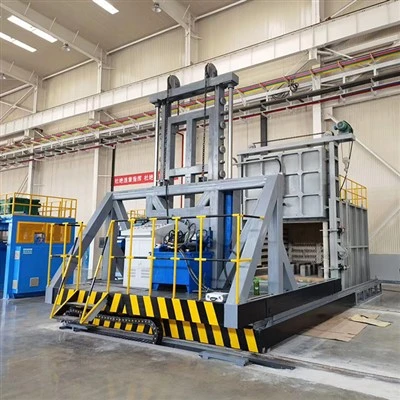
If you’re still confused about what size generator you need for your specific electric furnace, or you need help picking the right equipment, my team and I are here to help. We’ve worked with hundreds of customers to set up generator-compatible furnace systems, and we can give you tailored advice no matter if you have a small hobby furnace or a large industrial unit. Don’t guess at the right size — that’s how you end up with broken equipment. Reach out to us to chat through your setup, we’re happy to walk you through every step.
Gas-Fired Furnace References:
- National Electrical Code (NEC) Handbook, Article 440: Appliance Loads, for continuous load and surge power requirements.
- Generac Power Systems Technical Guide: Inverter vs. Conventional Generator Power Quality.
- Industrial Electric Furnace Association (IEFA) Installation Manual for Portable Backup Power Systems.
Jiangsu Fangwei Furnace Industry Co., Ltd.
Jiangsu Fangwei Furnace Industry Co., Ltd. is one of the most professional electric furnace manufacturers and suppliers in China. With abundant experience, we are committed to providing high quality customized products with competitive price. Please feel free to buy advanced electric furnace made in China here from our factory.
Address: No.168, HuangNian Bridge, DaoShu Town, Danyang City, JiangSu Province, China
E-mail: fangwei@fwfurnaces.com
WebSite: https://www.fwfurnaces.com/
