What is a 3 Pin LED Bulb Connector? A Guide for Lighting Designers, Electrical Contractors, and DIY Enthusiasts LED Bulb Connector
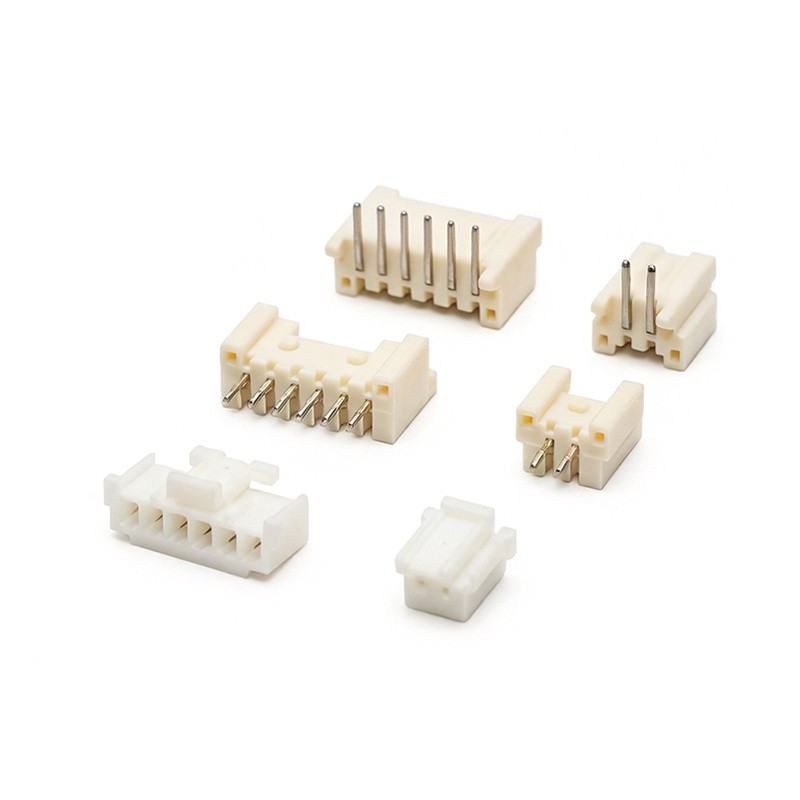
If you’ve ever worked on a residential lighting upgrade, commercial LED retrofit, or even a DIY home lighting project, you’ve probably stumbled across the term “3 pin LED bulb connector” and wondered why it’s become so ubiquitous in modern lighting systems. As a LED bulb connector supplier who’s worked with lighting professionals and hobbyists for over a decade, I can tell you that this small component is the unsung hero of reliable LED installations. It’s not just a random plug – it’s engineered to solve specific problems that old-style light sockets and connectors couldn’t handle, especially as LED technology evolved to replace incandescent and halogen bulbs.
Let’s break this down simply first: a 3 pin LED bulb connector is a standardized electrical interface designed to connect an LED bulb to a power source, whether that’s a driver, a wiring harness, or a pre-wired fixture. Unlike traditional two-pin connectors used for incandescent bulbs, which only carry power to the filament, the third pin adds a layer of functionality that’s critical for LED performance. Before we dive into the technical stuff, let’s set the context: why did we need a new connector for LEDs in the first place? Back in the day, incandescent bulbs just needed AC power to heat their filament. LED bulbs, on the other hand, require a constant DC current, a ground path, and often a way to send data for smart lighting features – that third pin is the key to making that work consistently.
Now, let’s get into the specific design and function of a standard 3 pin LED bulb connector. Most of our connectors are made from heat-resistant nylon or polycarbonate, because LED fixtures can run hotter than old bulbs, especially in enclosed spaces like ceiling cans. The three pins are arranged in a specific layout to prevent reversed connections – a common mistake that can fry an LED bulb before it even turns on. The first two pins are power: one carries the positive DC output from the LED driver, and the other carries the negative (ground) power. The third pin is the control pin, which serves different purposes depending on the type of LED system it’s used in. For basic dimmable LEDs, this pin handles the dimmer signal, allowing the bulb to adjust brightness without flickering. For smart bulbs, it might carry Bluetooth or low-voltage data to sync with a home automation system. For commercial LED strips or tubes, it can also handle additional power for longer runs, so the connector doesn’t overheat.
Wait, let’s clarify a common confusion: not all 3 pin connectors are the same. There are two main types you’ll encounter in the LED industry – vertical plug-in connectors, which mount directly to the base of an LED bulb, and panel-mount connectors, which fit into a fixture’s housing. As a supplier, we stock both because they serve different use cases. Vertical plug-in connectors are the most common for standard A-series LED bulbs, replacing the old Edison screw base in many fixtures. Panel-mount connectors are used for larger commercial fixtures, like high-bay lights or recessed downlights, where you need to hard-wire the connector into the fixture before inserting the bulb. The key difference is that vertical connectors are smaller and designed for quick, tool-less installation, while panel-mount connectors are more durable for high-vibration commercial environments, like warehouses or gyms.
Why does this matter for installers? Let’s talk about practical benefits. First, 3 pin connectors eliminate the need for soldering, which cuts down on installation time and reduces human error. I’ve seen too many electricians waste hours soldering wires to LED bases only to have a reversed connection break the bulb – a problem that’s almost impossible with a properly molded 3 pin connector, since the pin layout is polarized. Second, they improve safety: since LEDs run on low-voltage DC (usually 12V or 24V, depending on the driver), the connector’s insulation prevents accidental shock, even if you’re working on a live circuit. Third, they make maintenance way easier. If an LED bulb burns out, you don’t have to rewire the entire fixture – just unplug the old bulb, plug in a new one with the matching 3 pin connector, and you’re done. For commercial properties, this means less downtime and lower maintenance costs, which is a huge selling point for facility managers.
There’s another point I don’t see talked about enough: compatibility with dimming systems. A lot of older two-pin connectors don’t work with modern LED dimmers, because they can’t carry the low-voltage control signal needed for smooth dimming. Our 3 pin LED connectors are tested to work with leading dimmer brands, including Lutron and Leviton, so installers don’t have to worry about flickering or bulb damage after installation. That’s why we’ve built a reputation with residential and commercial contractors alike: we don’t just sell a connector – we provide a component that’s been tested to work with the systems professionals already use.
Now, let’s address a common question: can I use a 3 pin LED connector for non-LED bulbs? The short answer is no, and that’s intentional. Non-LED bulbs use AC power without a control signal, so a 3 pin connector’s extra pin would be unused, and you’d risk damaging the bulb or the power source. That’s why the industry standardized on 3 pins specifically for LEDs – it’s a balance between functionality, cost, and compatibility. At our company, we’ve invested in molding tools that ensure every connector we produce meets IEC standards for electrical safety, so installers can be confident that the connector won’t loosen over time, cause a short circuit, or fail prematurely in high-temperature environments.
Let’s talk about real-world use cases to make this concrete. Last year, we worked with a small construction company that was doing a full LED retrofit on 500 office units in a downtown apartment complex. They were using vertical 3 pin connectors for the 10W A19 bulbs in each unit’s ceiling lights, and panel-mount 3 pin connectors for the走廊 (hallway) linear LED fixtures. They told us that installation time was cut by 40% compared to their previous projects with incandescent-compatible connectors, and they had a failure rate of less than 1% in the first six months – way below the industry average of 3% for unstandardized connectors. Another customer, a DIY enthusiast who runs a small home workshop, uses our 3 pin connectors to build custom LED work lights. He says the connectors let him swap out bulbs quickly when one burns out, without having to rewire the entire light fixture – a huge time-saver for a hobbyist.
What should you look for when choosing a 3 pin LED bulb connector? As someone who’s supplied these components for years, I can give you a few key tips. First, check the material: connectors made from generic PVC will degrade in high-temperature fixtures, so look for heat-resistant nylon or polycarbonate rated for at least 85°C. Second, confirm the pin layout: some cheaper imports have non-standard pin spacing, which can’t connect to standard LED drivers or bulbs. Third, make sure the connector is polarized – a key feature that prevents reversed wiring, which is the top cause of early LED bulb failure. Finally, if you’re working with dimmable or smart lighting, look for connectors labeled for low-voltage control signal compatibility, not just basic power.
A common mistake we see as a supplier is installers trying to force a non-matching connector into a fixture. For example, using a 2 pin to 3 pin adapter to connect an old incandescent fixture to an LED bulb – that almost always leads to problems, because the third control pin is not connected, so the dimmer won’t work, or the bulb will flicker. Our advice is to always use a matching connector: if your fixture uses a panel-mount 3 pin connector, buy LED bulbs with the corresponding plug; if you’re retrofitting an older fixture, swap out the old socket for a pre-wired 3 pin connector kit, which is a cheap upgrade that solves most compatibility issues.
Looking to the future, 3 pin LED connectors are evolving with smart lighting technology. We’re already developing a version that integrates a small data chip into the third pin, allowing the connector to communicate with the bulb’s manufacturer for warranty tracking, or with home automation systems to adjust brightness based on ambient light. But even as technology advances, the core function of the 3 pin connector remains the same: it’s a reliable, easy-to-use interface that makes LED installations work consistently.
At the end of the day, the 3 pin LED bulb connector is a perfect example of how small components make big differences. Without them, LED retrofits would be more expensive, slower, and more error-prone. Whether you’re a commercial electrician doing a 10,000-light retrofit, a lighting designer customizing a residential project, or a hobbyist building a custom LED fixture, choosing the right 3 pin LED connector isn’t just a detail – it’s the foundation of a safe, long-lasting installation.

If you’re looking for high-quality, tested 3 pin LED bulb connectors that meet industry standards, and you want to work with a supplier that understands both the technical needs of professionals and the practical requirements of DIY projects, don’t hesitate to get in touch to discuss your project requirements. We offer bulk pricing for contractors, custom molding for special applications, and technical support to help you choose the right connector for your specific setup.
LED Bulb Connector References:
- International Electrotechnical Commission (IEC) 60598-1, Luminaires – Part 1: General Requirements and Tests
- U.S. Department of Energy, LED Lighting Facts: Component Requirements for Reliable LED Installations, 2022
- National Electrical Manufacturers Association (NEMA) SSL 10-2018, Standard for LED Module Connectors for General Lighting Applications
- Lighting Industry Association (LIA), Best Practice Guide for LED Installation Components, 2021
Wenzhou JKUN Connector Co., Ltd.
As one of the most professional led bulb connector manufacturers and suppliers in China, we’re featured by quality products and low price. Please rest assured to wholesale bulk customized led bulb connector from our factory. For quotation and free sample, contact us now.
Address: No.2667, Ningkang East Road, Yueqing City, Zhejiang Province, China
E-mail: sales@cnjkun.com
WebSite: https://www.jkunjcj.com/
