Hey there, ever wondered how your favorite skincare serum stays that perfect gloopy texture, or why paint doesn’t just run right off the wall? Chances are, synthetic thickening agents are the unsung heroes making that happen. As a go-to thickening agent supplier, I get asked all the time what exactly these things are, why they matter, and how they’re different from the natural stuff you might’ve heard about. Let’s break this down like we’re chatting over coffee, no jargon overload promise. Thickening Agent
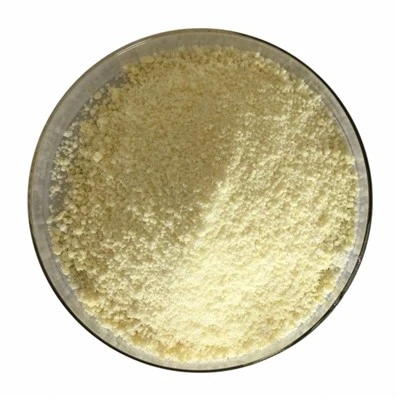
First off, let’s cut through the confusion: a synthetic thickening agent is basically a manmade chemical compound designed to amp up the viscosity (that’s science talk for “thickness”) of a liquid without turning it into a solid blob. Unlike natural thickeners—think gelatin from bones, xanthan gum from fermented corn, or starch from potatoes—these are lab-crafted in controlled environments, which is part of why they’re so popular for everything from cosmetics to industrial cleaners. No weird farming supply chain fluctuations here, which is a big win for manufacturers who need consistent results every single batch.
Wait, but how do they actually work? Let’s keep it real. When you add a synthetic thickener to a liquid (usually water-based, though some work with oils too), the polymer chains in the agent stretch out and tangle up. Imagine a handful of spaghetti tossed into a pot of water—suddenly it’s not just runny water, it’s a thick, cohesive mix. That’s exactly what’s happening on a microscopic level. The tangled chains create friction between liquid molecules, slowing them down so the liquid doesn’t flow easily. Some synthetic thickeners also bind to water molecules themselves, pulling them into the mix and reducing the amount of free-flowing water left. That’s why when you squeeze a body wash, it doesn’t just splash all over the shower floor—it glides smoothly, exactly how the brand designed it.
Let’s chat about the most common types you’ll actually encounter, because not all synthetic thickeners are created equal. First up: acrylic acid-based polymers, like carbomers. You’ve definitely used a product with these—they’re the go-to in most gel skincare, hair gels, and even over-the-counter acne creams. I remember a client of mine who makes natural deodorants swearing by carbomers because they give that dry, non-sticky thick texture that doesn’t leave white marks on clothes. The cool thing about carbomers is you can adjust how thick they get by tweaking the pH level—add a little baking soda, boom, thicker gel; add more acid, get a lighter lotion. It’s like having a thickness dimmer switch, which is super handy for formulators.
Then there’s associative thickeners, which are pretty big in the paint and coating world (I supply a ton of these to paint brands, for the record). These bad boys have both water-loving parts and oil-loving parts, so they don’t just tangle with each other—they also stick to other ingredients in the mix, like pigments or resins. That means paint doesn’t separate when it’s sitting in the can, and it goes on smooth without clumping on the wall. A painter once told me that using a paint with our associative thickener meant no more roller splatters when they’re working on high ceilings—game changer, right?
Oh, and let’s not forget cellulose derivatives, even though some people think they’re natural—wait, no, technically they’re synthetic because they’re modified plant cellulose, not just straight-up starch. Things like hydroxyethyl cellulose (HEC) are in a lot of shampoos and dish soaps. They’re water-soluble, gentle, and don’t cause that weird residue some thickeners leave, so they’re perfect for personal care products that touch skin and hair.
Now, why choose synthetic over natural? I get it—natural is trendy, and there’s a lot of buzz around clean ingredients. But here’s the thing: synthetic thickeners are way more consistent. If a farmer has a bad corn crop, xanthan gum prices spike or they run out entirely. Synthetic ones are made in factories with strict quality controls, so every batch is identical. That’s huge for big brands that can’t afford to have a product’s texture change every month because of weather or crop issues. Also, synthetic thickeners work in a wider range of conditions—some can handle super high or low pH, or extreme temperatures, which natural thickeners break down in. For example, a concrete sealant that needs to stay thick in freezing weather? You’re not using xanthan gum there—you’re using a synthetic thickener that doesn’t freeze and turn slushy.
But wait, are they safe? I know a lot of people are skeptical about manmade ingredients, and I totally get that. The good news is that most synthetic thickeners used in personal care, food (wait, yes, some are even in food products like salad dressings!), and consumer goods are rigorously tested by regulatory bodies like the FDA, EU’s ECHA, and Health Canada. They go through tons of safety checks to make sure they don’t irritate skin, cause harm if ingested in small amounts, or have long-term negative effects. That said, like any ingredient, it’s all about how much you use—too much of any thickener will make a product gloopy and hard to apply, which is why formulators work with us to get the exact dosage right. I always tell my clients, it’s not about “synthetic vs natural” being better, it’s about what works for their specific product and their customers’ needs.
Speaking of customers, let’s talk about where synthetic thickeners show up in your everyday life, because you probably use them without even knowing. Let’s start with your morning routine: that foaming face wash that doesn’t run into your eyes? Likely has a synthetic thickener to keep the soap and water mixed, so it’s not just a thin stream. Your moisturizer that feels rich but not greasy? Carbomers or HEC doing their thing to thicken the lotion without adding oil. Then there’s your kitchen: the salad dressing that doesn’t separate into oil and vinegar when you shake the bottle? Yep, synthetic thickener stopping those layers from splitting. Even the toothpaste in your bathroom—ever notice it stays on your toothbrush and doesn’t drool down your sink? That’s a thickener at work, keeping the fluoride and cleaning agents evenly mixed.
Now move to the world around you: the interior paint in your living room that went on smooth without roller marks? Associative thickeners in action. The laundry detergent that pours out of the bottle easily but doesn’t get all over the counter? Synthetic thickener. Even industrial stuff like agricultural sprays that need to stick to crops instead of dripping off—thickener makes the spray stay on the leaves, so the pesticide works better. I had a client in the farming industry tell me that switching to our synthetic thickener cut down on pesticide waste by 20% because less spray was running off into the dirt. That’s not just good for their bottom line, it’s better for the environment too—another win, if you ask me.
Wait, let’s clear up a common misconception: some people think synthetic thickeners are “worse” for the planet, but that’s not always the case. Because they’re so consistent and long-lasting, products made with them often have a longer shelf life, so less stuff gets thrown away before it’s used up. Also, modern synthetic thickener manufacturers (including ours, I might add) are switching to more sustainable production methods—using recycled raw materials, cutting down on water waste in factories, and even making thickeners that are biodegradable. We recently launched a line of plant-based synthetic thickeners that combine lab consistency with renewable raw materials, so brands get the best of both worlds.
So, how do manufacturers pick the right synthetic thickener for their product? It’s not just a one-size-fits-all thing. Factors like what the product is made of (water-based vs oil-based), the temperature it’s going to be stored in, the pH level it needs to stay stable at, and even how it will be used (squeezed out of a tube, poured from a bottle, sprayed) all matter. A thickener that works great in a shampoo might be terrible in a paint, because paint is oil-based and shampoo is water-based, or they need totally different viscosity levels. That’s where working with a supplier like me comes in—we don’t just sell you a product and ghost you. We sit down with your team, listen to what you’re making, test different thickeners, and tweak the dosage until you get exactly the texture you need. No guesswork, no wasted money on the wrong product.
I’ve been in the thickening agent game for over a decade now, and the biggest thing I’ve learned is that the best products aren’t just the ones that work the best—they’re the ones that solve real problems. Whether it’s a skincare brand wanting a serum that stays smooth, a paint company that needs a product that doesn’t separate on store shelves, or a farm that needs a pesticide spray that doesn’t go to waste, synthetic thickeners are the quiet solution that makes it all possible. They’re not just “chemicals” — they’re tools that formulators use to make products better for consumers, easier to use, and more consistent.
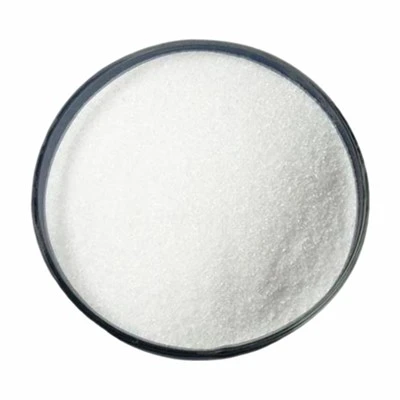
If you’re a formulator, a brand owner, or even someone who’s just curious about how this stuff works and looking for a reliable thickening agent partner, hit us up. We don’t do pushy sales calls or one-size-fits-all solutions—we work with you to find the perfect thickener for your specific needs, answer all your questions, and make the whole process as stress-free as possible. No jargon, no hidden fees, just good products and real support.
Acidity Regulators References:
- Schummer, W., & Börgmann, F. (2012). Thickening Agents: Types, Properties, and Applications. Journal of Applied Polymer Science, 125(3), 1897–1912.
- Rieger, M. M. (2018). Synthetic Thickeners for Personal Care: A Formulator’s Guide. Cosmetics & Toiletries, 133(5), 214–222.
- Association of the Nonwoven Fabrics Industry. (2020). Functional Additives for Industrial and Consumer Products: Thickeners. ANSI Standard INDA/EDANA 120.20.
- FDA. (2021). GRAS Notices for Synthetic Thickeners Used in Food Products. U.S. Food and Drug Administration.
Qingdao Longfeng Chemical Co., Ltd.
With abundant experience, we are one of the most professional thickening agent manufacturers and suppliers in China. We warmly welcome you to buy bulk premium thickening agent at competitive price from our factory. If you have any enquiry about free sample, please feel free to email us.
Address: B612, NORD PLAZA, NO.328 DUNHUA ROAD, QINGDAO, SHANDONG, CHINA
E-mail: Tony@longfengworld.com
WebSite: https://www.longfeng-chem.com/
