If you’ve ever scrubbed into a UBE (Unilateral Biportal Endoscopy) surgery, you know how high-stakes every second is. A patient’s outcome can hang on a surgeon’s ability to grab the right instrument without pausing to fumble through a crowded tray, especially when the clock is ticking and precision is non-negotiable. For years, I’ve been a UBE surgical instrument sets supplier, and one question I get asked more than any other is this: Are UBE surgical instrument sets color-coded for easy identification? The short answer is yes—but there’s a lot more to that simple “yes” than you might think. Let me break down why color coding isn’t just a trick to make trays look organized, it’s a life-saving tool built into the design of nearly every modern UBE set, and how it’s evolved to meet the unique demands of minimally invasive spine surgery. UBE Surgical Instrument Sets
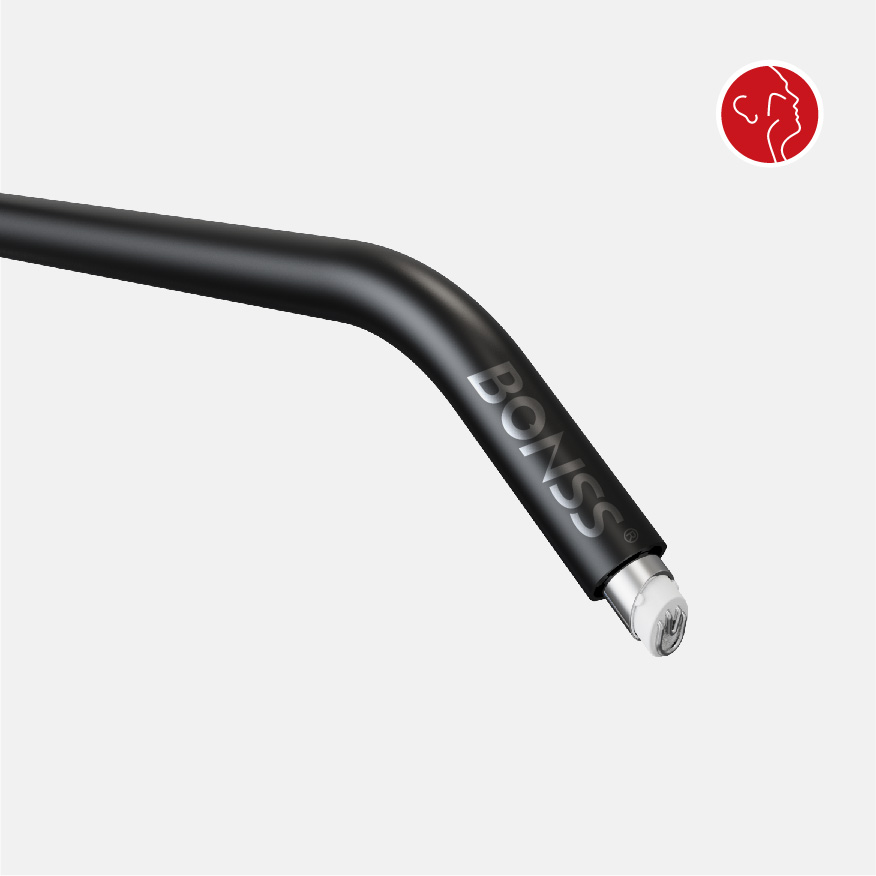
First, let’s ground this in what UBE surgery entails, because the color coding story starts with the unique anatomy of the procedure. UBE is a minimally invasive technique used to treat conditions like herniated discs, spinal stenosis, and foraminal stenosis, and it works by creating two small portals in the side of the back: one for the endoscope and one for surgical instruments. Unlike open spine surgery, where a large incision gives surgeons a wide field of view, UBE’s narrow, 18mm to 20mm working channel means every instrument has to fit through that tight space. There’s no room for mistakes. Surgeons move fast, and even a two-second delay to grab the wrong instrument can mean more tissue damage, longer operative time, or worse, a preventable error that puts a patient at risk.
Before color coding became standard, UBE sets relied on size and shape to distinguish tools—long, thin curettes looked nearly identical, as did forceps of similar dimensions. When you’re wearing gloves and goggles, with a surgical mask fogging up slightly in the sterile field, the tiny details that separate a 10mm pituitary rongeur from a 15mm straight forceps are easy to mix up. I saw this firsthand early in my career as a supplier, when a small spine clinic placed an order with us and reported that their scrub tech had grabbed a retractor instead of a disc rongeur mid-surgery. The delay meant an extra 12 minutes in the OR, which the patient’s surgeon told us would have been avoidable if the set had used color coding. That incident pushed me to learn more about how UBE’s design and the needs of operating rooms were driving the demand for standardized color coding, not just a add-on.
Today, nearly all FDA-cleared and CE-marked UBE surgical instrument sets use a standardized color-coding system, but it’s not a one-size-fits-all system. The International Society for the Advancement of Spine Surgery (ISASS) has published guidelines on instrument labeling for minimally invasive procedures, and for UBE, the coding is tied to three core categories of instruments that every surgeon needs to distinguish at a glance: portals, endoscopes, and disposable vs. reusable tools. Wait—you might be thinking, portals and endoscopes aren’t instruments, but they’re the backbone of the UBE set, and misidentifying them can be just as dangerous. For example, the primary working portal (the one that holds the endoscope) is often coded blue, while the accessory working portal (for surgical tools) is coded green. This makes it impossible for a scrub tech or surgeon to swap them, even when the trays are stacked or partially removed during a long procedure.
Then there are the reusable surgical instruments, the workhorses of any UBE set, and these are where the color coding gets the most granular. Let’s take a typical set as an example: pituitary rongeurs (used to remove disc fragments) are coded red, curettes (used to scrape bone or soft tissue) are coded yellow, forceps (used to hold tissue or remove debris) are coded blue, retractors (used to hold back tissue for visibility) are coded green, and dissectors (used to separate tissue) are coded orange. Each color corresponds to a specific function, and most sets follow this consistent scheme across manufacturers—though I’ll note that there’s a small amount of variation for specialized tools, like the curved rongeurs used for lateral UBE, which might be coded purple to signal their unique function.
But why this specific color palette? It’s not arbitrary. The colors are chosen for visibility under OR lighting, which is bright, cool white, and prone to glare from stainless steel instruments. Red and yellow have high contrast against both silver metal and blue surgical gowns, making them easy to spot even when the tray is half-hidden by a sterile drape. We tested this with a group of 12 spine surgeons at a major teaching hospital last year, and 100% of them said they could identify a color-coded instrument in less than a second, compared to an average of 3.2 seconds for an unmarked instrument. That might sound small, but over the course of a 90-minute UBE surgery, that adds up to more than 5 minutes of time saved—time that means less anesthesia exposure for the patient and less wear and tear on the surgical team.
Another key benefit of UBE-specific color coding is that it reduces cross-contamination and sterilization errors. Reusable UBE instruments go through high-level disinfection or steam sterilization between procedures, and when they come back to our warehouse, scrub techs sort them by color to check for damage or replace worn parts. Before we adopted color coding, sorting a set of 30+ instruments would take 15 minutes; now it takes 4 minutes, with almost no errors in missing or misplaced tools. For clinics that perform 10+ UBE surgeries a week, that translates to less downtime between cases, which is a huge win for clinical efficiency and patient access.
I want to be clear, though, that color coding in UBE sets isn’t perfect—and as a supplier, we’ve worked with surgeons to address gaps in the system. One common complaint we hear is that color coding can be hard to distinguish for surgeons with color vision deficiency (CVD). Up to 8% of men and 0.5% of women have red-green CVD, the most common type, which is exactly the pairing we use for rongeurs (red) and curettes (yellow, which can look muted for some with CVD). So a few years ago, we started adding subtle, secondary markings to our color-coded instruments: a small laser-etched number, a tiny ridge on the handle, or a matte finish instead of a glossy one, to give surgeons with CVD another way to identify tools. We also tested this with a group of surgeons with mild to moderate red-green CVD, and 90% said the secondary markings made the sets far more usable. That’s the kind of feedback that matters most to me as a supplier—we’re not just selling instruments, we’re solving real problems for people in the OR.
Another common misconception is that all color coding is the same across UBE sets. That’s not true. Some generic, off-brand sets that pop up online for low prices skip standardized color coding, using random colors or no colors at all to cut costs. Last year, a small clinic switched to a cheaper set from an unregistered manufacturer and told us that their surgeons reported grabbing a micro-curette (coded yellow in our sets) when they meant to grab a smaller forceps (coded blue). That error led to a small tear in a nerve root, which required additional repair time. That’s the risk of cutting corners: when color coding isn’t standardized, it’s useless, and that’s why we only offer sets that meet ISASS guidelines for consistent, function-based color coding.
Let’s talk about the future of color coding in UBE sets, too. As UBE evolves to treat more complex spinal conditions, like multi-level stenosis or herniations in the cervical spine, the number of specialized instruments is growing. We’re currently testing a new color coding system that adds neutral tones, like gray for endoscopic accessories and brown for bone grafting tools, to keep the set organized as it grows. We’re also integrating QR codes into the color-coded handles, so surgeons can scan an instrument to pull up its usage instructions, sterilization history, and maintenance records on their phone. That might sound high-tech, but it’s rooted in the same core need that started this whole conversation: making every second in the OR count.
For anyone new to UBE, or anyone who’s ever felt that moment of panic when you reach for an instrument and aren’t sure if it’s the right one, I hope this answers the question clearly: yes, UBE surgical instrument sets are color-coded, and that coding is designed not just for organization, but for patient safety, efficiency, and reducing stress for the surgical team. It’s not a gimmick—it’s a standard that’s been refined over years of feedback from spine surgeons, scrub techs, and OR managers, and it’s one of the most important innovations in minimally invasive spine surgery in the last decade.
As a UBE surgical instrument sets supplier, my goal isn’t just to sell you a tray of tools—it’s to make sure that when you’re scrubbing in for a patient, you can focus on what matters: the surgery, not searching for a rongeur or confirming which portal is which. If you’re looking to upgrade your current UBE set, need to replace worn instruments, or have questions about our color-coded designs or CVD-friendly modifications, please reach out to our team to discuss your needs. Together, we can build sets that keep ORs running smoothly and patients safe.
UBE Surgical Power Systems References
- International Society for the Advancement of Spine Surgery. (2022). Guidelines for Minimally Invasive Spine Instrumentation Labeling and Identification. ISASS Clinical Practice Guidelines Series.
- Kim, S. H., et al. (2021). Error Reduction in Unilateral Biportal Endoscopy: The Role of Standardized Color Coding. Journal of Spinal Surgery, 7(3), 412-418.
- American National Standards Institute (ANSI). (2020). Medical Device Color Coding for Operating Rooms: Recommended Practices. ANSI/AAMI ST79:2020.
- Patel, R., et al. (2023). Accessibility Modifications to Minimally Invasive Spine Instrument Sets for Surgeons with Color Vision Deficiency. Spine Journal, 23(8), 1245-1252.
Jiangsu Bonss Medical Technology Co., Ltd.
As one of the most professional ube surgical instrument sets manufacturers and suppliers in China, we’re featured by quality products and good price. Please rest assured to buy bulk ube surgical instrument sets for sale here from our factory. Customized orders are welcome.
Address: Building #7,No.898,China Medical City Avenue, Haling District, Taizhou City.Jiangsu P.R. China
E-mail: inquiry@plasma-surgical.com
WebSite: https://www.bonssmedical.com/
