If you’ve ever driven past a sprawling farm or stopped at a grocery store and reached for a perfectly ripe apple, a pre-portioned bag of baby carrots, or a sealed block of ground coffee, you’ve interacted with packaging roll film—even if you didn’t realize it. For years, I’ve supplied packaging roll film to farms, food processors, and agricultural distributors across the Midwest, and one of the most common questions I get is: “What makes your roll film different from other packaging materials, especially for farming?” The answer boils down to this: agricultural operations have unique pain points, from extending produce shelf life to cutting labor costs and protecting harvests from the moment they leave the field to when a consumer takes the first bite. Packaging roll film isn’t just a “wrapper” for agriculture—it’s a tool that solves specific, day-to-day problems for everyone from small family farms to large commercial agribusinesses. Packaging Roll Film
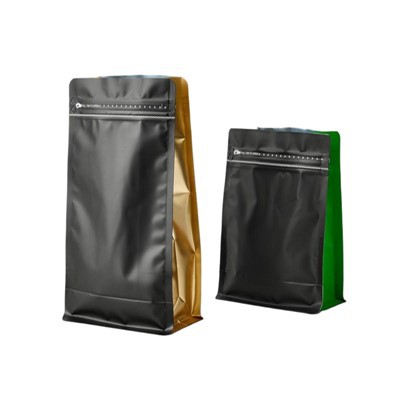
One of the most impactful uses of packaging roll film in agriculture is fresh produce packaging, and it all starts with controlled atmosphere packaging (CAP) and modified atmosphere packaging (MAP) for fruits and vegetables. Let’s take a case I worked with last year: a 120-acre apple orchard in western Michigan that used to lose 18% of their annual harvest to spoilage before switching to my breathable polypropylene roll film for packaging. Unlike old-style plastic wraps that trapped too much moisture or oxygen, our roll film is calibrated to allow tiny, controlled amounts of gas exchange. Apples, for example, naturally release ethylene gas as they ripen; too much of that gas makes them go soft or brown faster. Our film lets excess ethylene escape while keeping oxygen levels low enough to slow respiration. The orchard’s manager told me that after switching, their apples stayed crisp 30% longer in cold storage, which cut down on shrink and let them sell their crop later in the off-season for a 12% higher price per bushel. It’s not just apples either—berries, leafy greens, and tomatoes all thrive with this type of film. For leafy greens like spinach, too much moisture inside the package leads to slimy spoilage, so we add micro-perforations to our roll film that let excess water vapor escape without letting contaminants get in. A small organic farm I supply uses these micro-perforated rolls to pre-package their baby spinach at the field, cutting down on packing labor by 25% because they don’t have to process the greens a second time at a warehouse. That’s a big win for small operations with tight labor budgets.
Beyond fresh produce, packaging roll film is a workhorse for processing agricultural products, from frozen goods to animal feed and even value-added food items. Let’s talk about frozen vegetables, which are a $50 billion global industry. When I first started in this business, frozen veggies were packed in rigid cardboard boxes lined with plastic, but that method had a flaw: the cardboard would absorb moisture from the cold air, leading to freezer burn on the veggies inside, and the boxes would take up more space in transport. Now, most frozen vegetable processors use high-tensile strength polyethylene roll film to form bags or heat-sealed trays. Our film is moisture-resistant, puncture-proof, and can withstand temperatures as low as -40°F, which means frozen peas, corn, and green beans stay intact during shipping from processing plants in Iowa to grocery stores in Florida. Last quarter, a frozen vegetable processor I work with switched from rigid packaging to our roll film and saw a 20% reduction in packaging material costs, plus 15% more product fits on each shipping pallet because flexible roll film takes up less space than rigid boxes. That’s a double win: lower costs and lower carbon emissions from fewer truck trips.
Animal agriculture is another segment where packaging roll film is irreplaceable. I supply dozens of cattle and poultry farms with stretchable polyolefin roll film for baling hay and wrapping silage, two critical feed sources for livestock. Silage is fermented forage that’s stored in large bales; if it’s not sealed properly, air and moisture get in, leading to mold that can make cattle sick. Our UV-stabilized roll film is designed to stretch up to 250% without tearing, so when farmers wrap a round silage bale, the film creates an airtight barrier that locks out oxygen. A dairy farmer in southern Wisconsin told me that using our silage wrap cut his silage spoilage rate from 12% to less than 3% last year, which saved him over $40,000 in feed costs for his 800-head herd. For hay, stretch roll film protects bales from rain, snow, and pests during storage and transport, which is especially important for farmers who sell hay to other operations hundreds of miles away. We also make smaller gauge roll film for packaging pet food and livestock supplements, which is printed with custom labels to include feeding instructions and nutritional info—something that’s not possible with bulk, unlabeled feed bags.
Another underdiscussed application of packaging roll film is in seed packaging, a $45 billion global market that’s only growing as more farmers switch to high-yield, hybrid seeds. Seeds are sensitive to moisture, temperature fluctuations, and physical damage, all of which can reduce germination rates by 20% or more. Our barrier roll film for seed packaging is made with a multi-layer structure that blocks moisture, oxygen, and UV light, so seeds stay viable for up to two years after packaging, compared to 6 months with paper bags. Last spring, a small vegetable seed breeder I work with used our vacuum-sealed roll film to package their heirloom tomato seeds, and they reported a 98% germination rate when customers planted them, up from 82% the previous year when they used standard paper packets. The film is also flexible enough to be run on automated packaging lines, which is critical for seed companies that process thousands of packets an hour. We can also add tamper-evident seals to seed packages, which helps prevent counterfeit seeds from reaching farmers—a big issue in regions with large commercial seed operations.
Sustainability is a hot topic in agriculture right now, and I’ve spent the last three years developing eco-friendly packaging roll film solutions to meet that demand. Farmers and food processors are under pressure from consumers to reduce plastic waste, so we’ve rolled out a line of compostable roll film made from plant-based materials like cornstarch and PLA, which breaks down in industrial compost facilities in 180 days, compared to traditional plastic that takes hundreds of years. Last year, a group of 20 organic vegetable farms in California switched to our compostable roll film for packaging their produce, and they qualified for a “low-waste” certification that helped them sell 15% more of their crop at farmers’ markets and online. We’re also working on recycled-content roll film: our latest line uses 30% post-consumer recycled plastic and maintains all the same barrier and strength properties as virgin film, so farmers don’t have to sacrifice performance for sustainability. I’ll be honest, it hasn’t been easy—balancing eco-friendly materials with the durability agricultural operations need is a tight line—but that’s exactly why I love this business. Packaging roll film isn’t one-size-fits-all, so we have to innovate for every unique use case.
Of course, none of these applications would matter if the roll film wasn’t reliable on a farm or processing plant’s packaging line. I’ve seen farms try to cut costs by buying cheap, low-quality roll film, only to have it tear mid-packaging line, leading to hours of downtime and hundreds of dollars in lost product. That’s why all our roll film is tested for puncture resistance, stretchability, and heat-seal strength before it leaves our warehouse. We also provide custom roll widths and core sizes to fit every type of packaging machine, from small tabletop sealers used by small farms to high-speed automated lines used by large food processors. Last year, a specialty produce farm in Oregon had a unique need: they needed roll film narrow enough to package individual avocados, but wide enough to fit a tamper-evident seal. Our team worked with them to test a custom 4-inch roll width that solved the problem, and they now use our film for 90% of their pre-packaged avocados. That kind of customer-focused solution is what sets roll film suppliers apart, especially in agriculture, where downtime is not an option.
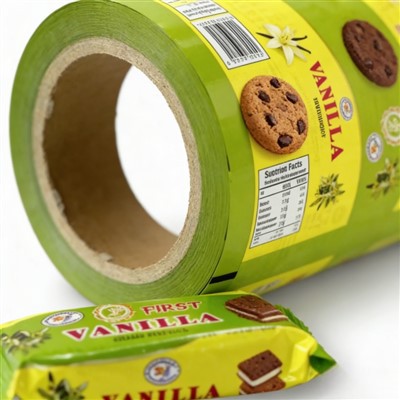
If you’re an agricultural operation—whether you’re a small family farm, a food processor, a livestock producer, or a seed company—you’ve probably dealt with the frustrations of spoiled product, high packaging costs, or packaging that doesn’t work with your equipment. I’ve been in your shoes: I grew up on a corn and soybean farm in Ohio, so I know firsthand how every dollar counts, and how a single day of spoiled produce or broken silage can hurt a whole year’s work. That’s why my team and I don’t just sell packaging roll film—we partner with you to find the right solution for your specific needs. Whether you need film for fresh produce packaging, silage wrapping, frozen food processing, or seed packaging, we can tailor our products to match your volume, budget, and sustainability goals. If you’re tired of packaging that doesn’t deliver, and you want a supplier that understands the unique challenges of agriculture, reach out to our team to discuss your packaging needs.
Liquid Bag References
- USDA Agricultural Marketing Service. (2022). The Role of Packaging in Reducing Food Loss in Fresh Produce. U.S. Department of Agriculture.
- European Packaging and Packaging Waste Directive. (2021). Agricultural Packaging Guidelines for Sustainable Practice. European Commission.
- Journal of Applied Packaging Research. (2023). Modified Atmosphere Packaging for Fresh Horticultural Produce: Current Trends and Future Directions. Institute of Food Technologists.
- National Hay and Forage Council. (2022). Best Practices for Silage Packaging and Storage to Minimize Spoilage. National Hay and Forage Council.
- Seed Treatment and Packaging Association. (2023). Seed Packaging Materials and Their Impact on Germination Rates. Seed Treatment and Packaging Association.
Shenzhen Hongbang Packaging Production Co., Ltd.
We are one of the most experienced packaging roll film manufacturers and suppliers in China, specialized in providing high quality custom service. Please feel free to buy bulk packaging roll film made in China here from our factory. For quotation and free sample, contact us now.
Address: Room 601, BLDG D, Wisdom Centre, No. 58 Nanlian Road, Longgang, Shenzhen China 518116
E-mail: pm@hongbangpack.com
WebSite: https://www.hongbangpack.com/
