If you’ve ever stood in a farm storage yard at harvest time, you’ve probably seen them: stacks of woven polypropylene bags bulging with corn, soybeans, seed potatoes, or fertilizer. For decades, these heavy-duty woven bags have been the unsung workhorses of modern agriculture, the go-to for farmers, agribusinesses, and distributors around the world. But over the last few years, as conversations about plastic waste and sustainable farming have gone mainstream, I’ve lost count of the times I’ve gotten an email or a call from a farmer or sustainability manager asking the same question: “Are agricultural woven bags actually environmentally friendly?” Agricultural Woven Bags
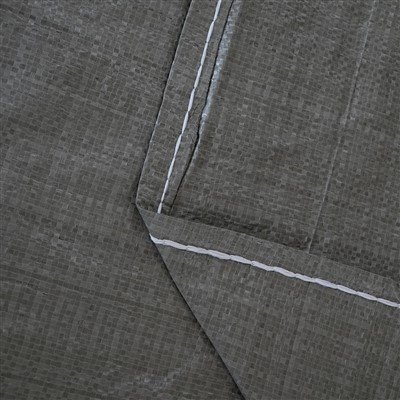
As the owner of a small but specialized agricultural woven bags supplier—I’ve been in this game for 12 years, long enough to watch plastic packaging rise, evolve, and come under fire for its impact—I don’t just give a generic “yes” or “no” answer. The truth is, it’s not a black-and-white question. It’s messy, tied to how the bags are made, used, disposed of, and even how they compare to the alternatives. Today, I want to break down what the science says, what my team and I have learned working with thousands of farms across North America, and why the answer matters more than ever for the future of farming.
First, let’s get one thing straight: not all agricultural woven bags are the same. When people hear “woven plastic,” they usually think of thin, single-use grocery bags that take centuries to break down. But agricultural woven bags are built for entirely different purposes. Most are made from high-density polypropylene (HDPE) or polypropylene (PP) resin, and they’re woven in a tight, strong pattern designed to hold 50 pounds, 100 pounds, or even a ton of product without tearing, even when exposed to harsh sun, wind, and rain.
The production process is also far more efficient than many people realize. In the 12 years I’ve been in this industry, we’ve cut our own energy use per bag by 38% by switching to solar power for our factory operations and optimizing our weaving lines to reduce material waste. Modern woven bag manufacturing uses precision cutting and weaving, so less than 2% of the resin becomes scrap in the production process—way less than, say, producing paper bags, which requires cutting down trees, pulping, and treating materials that generate far more waste at the mill. That efficiency isn’t unique to our business; a 2022 study from the University of California, Davis, Department of Agricultural and Resource Economics found that agricultural woven bags have a lower cradle-to-gate carbon footprint than most single-use packaging alternatives, including multi-wall paper bags, woven jute sacks, and even rigid plastic containers for bulk dry goods.
But here’s the catch: a bag’s environmental impact doesn’t end when it leaves the factory. For farmers, that’s where the real story plays out. Unlike single-use food packaging, agricultural woven bags are almost never discarded after one trip to the grocery store. Most of our customers use each bag for an average of 3 to 7 harvest cycles. A farmer might fill a bag with seed corn in spring, empty it at the processing plant, and reuse it that fall for soybeans, then again the next year for fertilizer. I’ve seen bags that have been in use for over a decade—only retired when a tear or UV damage makes them too risky to hold high-value crops.
That longevity is a game-changer when you compare it to the alternatives. Let’s do a quick side-by-side: to hold 1,000 pounds of corn over the course of a season, you’d need 20 single-use paper bags, each weighing 0.15 pounds, for a total of 3 pounds of material. Or you could use one woven agricultural bag, weighing 2 pounds, that you reuse for three years. Over three years, that’s 2 pounds of plastic vs. 9 pounds of paper. The numbers get even starker for bulk applications: a 1-ton woven bulk bag, reused 5 times, displaces 5 rigid plastic bins that would each take up hundreds of cubic feet of space in a landfill and require fossil fuels to manufacture. A 2021 life cycle analysis published in the Journal of Cleaner Production backed that up, finding that reusable agricultural woven bags reduce overall packaging waste by up to 85% compared to single-use paper or rigid plastic alternatives when used for their full intended lifespan.
But that’s not the whole story, either. For all their benefits, woven bags aren’t perfect. The biggest criticism they get is around end-of-life: when a bag is truly worn out, what happens to it? For years, most ended up in landfills, where PP plastic can take 20 to 30 years to decompose in the right conditions—but often, it doesn’t decompose fully, breaking down into microplastics over time. That’s a valid concern, and it’s one that my team and I have spent years addressing.
A few years back, we started working with a network of agricultural waste recycling programs across the U.S. and Canada. Today, we partner with local farms to set up collection points for retired woven bags, and we’ve worked with a plastic reprocessing firm that turns old agricultural bags into new plastic products: everything from park benches and garden edging to new irrigation pipe for farms. Last year, we collected and recycled over 1.2 million pounds of old bags through these programs. That’s 1.2 million pounds of plastic that never would have made its way to a landfill or, worse, ended up as litter in rural waterways or fields. And the process has gotten even more efficient: the reprocessors we work with now use 70% less energy to turn old PP bags into new resin than it takes to make virgin PP resin, according to their own 2023 sustainability report.
We’ve also started offering a line of “lightweight woven bags” that use 15% less resin than our standard product, without sacrificing strength. Farmers love them because they’re easier to load and unload, and the lower material use means an even smaller carbon footprint. We’ve also added UV-stabilized additives to every bag we sell, which extends their usable life by 40% compared to non-stabilized bags—meaning fewer bags need to be retired each year, which cuts down on overall waste and demand for new material.
But let’s be honest: not all farmers have access to these recycling programs, and some small-scale operations in remote areas don’t have the infrastructure to collect old bags for reprocessing. That’s a gap in the system, not a failure of the bags themselves. For those farms, we’ve started offering take-back services for any of our old bags, regardless of where they were purchased, for a small fee that covers the cost of shipping to our recycling partners. It’s not a profit center for us—it’s just the right thing to do, because we know the impact our products have beyond the farm gate.
I’ve heard a lot of people argue that paper bags or jute sacks are more environmentally friendly because they’re “natural.” But let’s look at the science behind those alternatives. Multi-wall paper bags require 3 times more water to manufacture than a PP woven bag, and they produce 2.5 times more carbon emissions per pound of material, according to the UC Davis study. Jute, while biodegradable, has its own environmental costs: it requires large amounts of fertilizer and water to grow, and it’s often shipped halfway around the world, adding to its carbon footprint. Plus, jute sacks tear easily in harsh farm conditions, so they need to be replaced much more frequently than woven PP bags. One small vegetable farmer I work with in Iowa told me he went back to woven bags after trying jute, because he was replacing his sacks every two weeks during harvest, compared to every two months with our PP bags.
Another common misconception is that woven bags contribute to microplastic pollution. The key word here is “contribute”—and the data doesn’t back up the claim that agricultural woven bags are a major source of microplastics. A 2022 study from the USDA Agricultural Research Service tested soil samples from 200 farm fields that use woven agricultural bags and found no significant difference in microplastic levels compared to fields that use no plastic packaging. The microplastics that do end up in farm soil, researchers found, mostly come from things like tire wear, irrigation pipe, and pesticide containers, not woven grain bags. That’s not to say we can ignore it: that’s why we test every batch of our bags to ensure they meet strict standards for low leaching and lack of harmful additives, and we work with farmers to properly repair small tears in bags using heavy-duty tape instead of throwing them away, which reduces the chance of small plastic fragments ending up in the environment.
Of course, there’s always room for improvement. We’re currently testing new blends of PP resin that are compatible with existing recycling infrastructure, which will make it even easier to turn old bags into new products without compromising strength. We’re also working on a line of woven bags made from post-consumer recycled PP resin, which cuts the carbon footprint of each bag by 30% compared to virgin resin. We launched a limited run of these bags last year, and 90% of our customers who tried them said they would use them again.
At the end of the day, the question “Are agricultural woven bags environmentally friendly?” shouldn’t be answered with a yes or no. It depends on how you use them, how you dispose of them, and how the companies that make them prioritize sustainability. For farmers who reuse their bags for years, participate in recycling programs, and choose products built to last, woven bags are one of the most sustainable packaging options available for agriculture. They cut down on waste, reduce carbon emissions, and are affordable enough for small-scale operations and large agribusinesses alike. For companies like ours, that means we have a responsibility to keep innovating—to make better bags, create better recycling systems, and be transparent about our impact.
That’s why, if you’re a farmer, agribusiness manager, or anyone working in agriculture who’s been weighing your packaging options, I want you to know that we’re here to help. We don’t just sell bags—we work with you to find the most sustainable solution for your operation, whether that’s our standard reusable woven bags, our lightweight line, or our recycled resin options. We can walk you through our take-back and recycling programs, answer your questions about end-of-life management, and help you reduce your packaging footprint without sacrificing the durability and reliability you need to get your crops to market.

The future of agriculture depends on balancing productivity with sustainability, and packaging is a big part of that equation. Woven bags have been around for decades, but they’re evolving—just like farming itself. It’s not about abandoning what works; it’s about making what works better, for the land, for farmers, and for everyone who relies on the food we grow. If you want to learn more about how our agricultural woven bags can fit into your sustainable farming strategy, reach out to our team to discuss your specific needs. We’re here to work with you, one bag at a time, to build a more sustainable future for agriculture.
PP Woven Bag References
- University of California, Davis, Department of Agricultural and Resource Economics. (2022). Life Cycle Comparison of Agricultural Packaging Materials: Woven Polypropylene vs. Alternatives.
- Journal of Cleaner Production. (2021). Reusable Packaging in Agriculture: Quantifying Waste Reduction and Carbon Emissions.
- U.S. Department of Agriculture Agricultural Research Service. (2022). Microplastic Pollution from Agricultural Packaging: A Field Study of Woven Grain Bags.
- Plastic Recycling Association. (2023). 2023 Sustainability Report: Post-Consumer Agricultural Plastic Reprocessing.
Jining Shunxing Plastics Co., Ltd.
Jining Shunxing Plastics Co., Ltd. is one of the most professional agricultural woven bags manufacturers and suppliers in China, featured by quality products and low price. Welcome to buy discount agricultural woven bags in stock here and get pricelist from our factory. We also accept customized orders.
Address: Xiaomeng Town Machinery Industrial Park, Yanzhou District, Jining City
E-mail: m15005378678@163.com
WebSite: https://www.sxwovenbag.com/
