As a terrazzo supplier deeply entrenched in the construction and interior design industry, I’ve encountered numerous inquiries regarding the coefficient of friction in terrazzo. The coefficient of friction is a crucial parameter that affects the safety and functionality of terrazzo in various applications. In this article, I will delve into what the coefficient of friction of terrazzo is, the factors influencing it, and its significance in different settings. Terrazzo

Understanding the Coefficient of Friction
The coefficient of friction (COF) is a numerical value that represents the ratio of the force of friction between two surfaces to the normal force pressing them together. In simpler terms, it measures how easily one surface will slide over another. A higher COF indicates greater friction, meaning there is more resistance to sliding, while a lower COF implies less friction and a higher likelihood of surfaces slipping against each other.
For terrazzo, which is a composite material made of chips of marble, quartz, granite, or glass set in a cement or resin matrix and then polished to a smooth finish, the COF is of particular importance. It determines how safe a terrazzo floor or other surface will be to walk or work on, especially in areas prone to moisture, spills, or heavy foot traffic.
Factors Affecting the Coefficient of Friction of Terrazzo
Aggregate Type and Size
The type and size of the aggregates used in terrazzo significantly impact its coefficient of friction. Coarser aggregates, such as large chips of granite or quartz, generally provide a higher COF. These rough surfaces create more points of contact with the鞋底 of shoes, increasing friction and reducing the risk of slipping. Fine – grained aggregates, on the other hand, may result in a smoother surface with a lower COF.
For example, terrazzo made with small glass chips tends to have a lower friction coefficient compared to those with large marble chips. The smooth and shiny surface of glass reduces the grip, making it less suitable for areas where slip resistance is a major concern, like bathrooms or industrial kitchens.
Surface Finish
The finish of the terrazzo surface also plays a vital role. A highly polished finish, which gives terrazzo its characteristic shine, usually has a lower COF. The smooth surface offers less resistance to movement. In contrast, a honed or anti – slip finish can increase the friction. Honing creates a slightly rough surface texture, while anti – slip treatments involve adding special substances or creating micro – textures on the surface, enhancing the grip underfoot.
In high – traffic commercial areas, a honed or anti – slip finish is often preferred to ensure the safety of pedestrians. For decorative applications in areas with minimal foot traffic, such as showrooms or galleries, a polished finish may be chosen for its aesthetic appeal, but appropriate safety measures should still be considered.
Cleanliness and Maintenance
The cleanliness of a terrazzo surface can affect its coefficient of friction. Dirt, dust, oils, and other contaminants can act as lubricants, reducing the friction between the surface and shoes or other objects. Regular cleaning and proper maintenance are essential to maintain the desired COF.
For instance, in a restaurant kitchen, where spills are common, if the terrazzo floor is not promptly cleaned, the presence of grease or food residue can significantly lower the COF, increasing the risk of slips and falls. Special cleaning agents and procedures may be required to remove stubborn stains and maintain the surface’s slip – resistance properties.
Moisture
Moisture is another critical factor. When terrazzo is wet, its coefficient of friction typically decreases. Water serves as a lubricant between the surface and the object in contact, reducing the grip. Areas exposed to water, such as swimming pool decks, bathrooms, and outdoor walkways, require a terrazzo with a high COF even when wet.
Some terrazzo products are specifically designed for wet environments, with additives or surface treatments that help maintain a relatively high COF when moisture is present. These products often undergo rigorous testing to ensure they meet safety standards for wet – area applications.
Measuring the Coefficient of Friction
There are several methods to measure the coefficient of friction of terrazzo. One common approach is the pendulum test, which uses a pendulum – type device that swings across the surface. The device measures the energy loss as it slides, and the result is converted into a COF value. Another method is the inclined plane test, where a sample of the terrazzo is placed on an inclined plane, and an object is slowly tilted until it starts to slide. The angle at which sliding occurs is used to calculate the COF.
Standards and regulations vary by region and application. In the United States, the Americans with Disabilities Act (ADA) has specific requirements for the coefficient of friction of floors in public buildings to ensure the safety of people with disabilities. In the UK, the Health and Safety Executive (HSE) provides guidelines on slip – resistance standards for different workplaces.
Significance of Coefficient of Friction in Different Applications
Commercial Buildings
In commercial buildings such as shopping malls, offices, and hospitals, the COF of terrazzo is crucial for the safety of employees, customers, and patients. High – traffic areas like entrances, corridors, and elevator lobbies need terrazzo with a sufficient COF to prevent slips and falls. In hospitals, where patients may be unsteady on their feet, a high – friction terrazzo floor can reduce the risk of injuries.
Residential Buildings
In homes, terrazzo is often used in areas such as kitchens, bathrooms, and foyers. In the kitchen, where there may be water or food spills, a terrazzo floor with a good COF can prevent accidents. Bathrooms, especially around the bathtub and shower area, require a high – friction surface to ensure safety during bathing.
Industrial Settings
Industrial facilities, such as factories, warehouses, and manufacturing plants, may have dangerous working conditions. Terrazzo floors with a high COF are essential to protect workers from slipping, especially in areas where there may be oil, chemicals, or water on the floor. Heavy machinery and equipment also require a stable surface with sufficient friction to operate safely.
Outdoor Areas
For outdoor applications like sidewalks, patios, and pool decks, the coefficient of friction becomes even more important. These areas are exposed to the elements, including rain, snow, and ice. A terrazzo with a high COF even when wet can provide a safe walking surface for pedestrians. In addition, outdoor terrazzo may need to withstand the wear and tear of foot traffic and weather conditions while maintaining its slip – resistance properties.
Our Terrazzo Products and Customized Solutions
As a terrazzo supplier, we understand the importance of the coefficient of friction in different applications. We offer a wide range of terrazzo products with varying COF values to meet the diverse needs of our customers. Our terrazzo is made from high – quality aggregates and carefully produced to ensure consistent quality and performance.
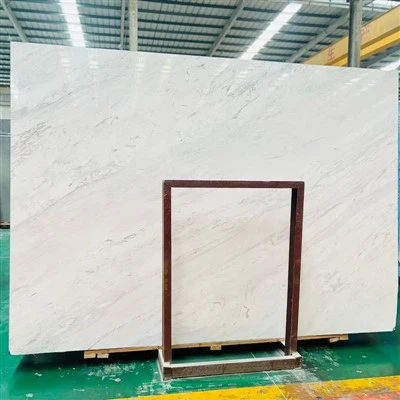
We can customize the aggregate type, size, and surface finish of our terrazzo to achieve the desired coefficient of friction. For wet – area applications, we can provide terrazzo with special treatments to maintain a high COF even when wet. Our team of experts can also assist you in selecting the most suitable terrazzo product based on the specific requirements of your project, whether it’s a small residential renovation or a large – scale commercial construction.
Contact Us for Procurement and Consultation
Artificial Stone If you are interested in our terrazzo products or have any questions about the coefficient of friction and its application in your project, we invite you to contact us for procurement and further discussion. We are committed to providing you with the best – quality terrazzo solutions and professional advice to ensure your project’s success.
References
- ASTM International. (Year). Standard test methods for determining the coefficient of friction of polished and finished terrazzo for pedestrian surfaces. ASTM F1679 – XX.
- Health and Safety Executive. (Year). Slip resistance testing and assessment guidance. Retrieved from HSE Publications.
- Americans with Disabilities Act Accessibility Guidelines (ADAAG). (Year). Requirements for accessible floors and walking surfaces.
Xiamen Yigong Import and Export Co., Ltd.
As one of the most professional terrazzo suppliers in China, we also support customized service. With abundant experience, we warmly welcome you to buy high quality terrazzo for sale here from our factory. For price consultation, contact us.
Address: No.850-2 Xingxi Road, Houxi Town, Jimei District, Xiamen
E-mail: ella@xmyigong.com
WebSite: https://www.yigongstone.com/
