How to prevent short – circuits in automotive connectors
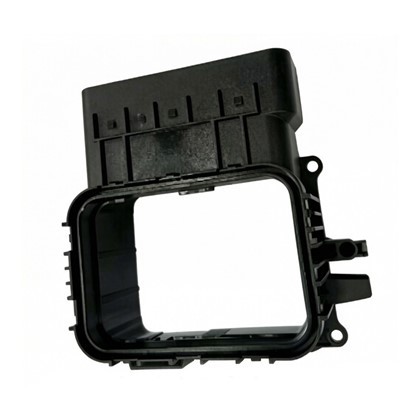
As a seasoned player in the automotive connector supply industry, I understand the critical role that connectors play in the reliable operation of vehicles. Short – circuits in automotive connectors can lead to a wide range of problems, from minor electrical malfunctions to serious safety hazards. In this blog, I’ll share some insights on how to prevent short – circuits in automotive connectors. Automotive Connector
Understanding the Causes of Short – Circuits in Automotive Connectors
Before we delve into prevention methods, it’s essential to understand what causes short – circuits in automotive connectors. One of the primary causes is moisture ingress. Automotive connectors are often exposed to harsh environments, including rain, snow, and high humidity. When moisture gets into the connector, it can create a conductive path between different pins, leading to a short – circuit.
Another common cause is physical damage. Connectors can be damaged during installation, maintenance, or normal vehicle operation. For example, if a connector is bent or crushed, the internal wiring may be exposed, increasing the risk of a short – circuit. Additionally, corrosion can also cause short – circuits. Over time, the metal components in connectors can corrode due to exposure to chemicals, salt, or other contaminants. This corrosion can disrupt the electrical connection and potentially create a short – circuit.
Design and Material Selection
The first step in preventing short – circuits starts with the design and material selection of the automotive connectors. When designing connectors, it’s crucial to ensure proper insulation. The insulation material should have high dielectric strength, which means it can withstand a high voltage without breaking down and causing a short – circuit. Common insulation materials used in automotive connectors include plastics such as polypropylene and polyethylene, which have excellent insulating properties.
In terms of the conductor material, copper is a popular choice due to its high conductivity and relatively low cost. However, it’s important to choose the right type of copper and ensure its proper protection. For example, copper can be coated with tin or nickel to prevent corrosion, which in turn reduces the risk of short – circuits.
The design of the connector itself should also minimize the risk of short – circuits. For instance, the pin layout should be carefully planned to avoid any accidental contact between adjacent pins. Additionally, the connector housing should be designed to provide a tight seal, preventing moisture and contaminants from entering the connector.
Manufacturing and Quality Control
During the manufacturing process, strict quality control measures are essential to prevent short – circuits in automotive connectors. Every connector should be thoroughly tested before leaving the production line. Electrical tests can be performed to check for proper insulation resistance and continuity. Any connector that fails these tests should be rejected.
In addition to electrical tests, visual inspections are also crucial. Inspectors should look for any signs of physical damage, such as bent pins or cracks in the housing. Quality control personnel should also ensure that the connectors are correctly assembled, with all pins properly inserted and secured.
The manufacturing environment also plays a role in preventing short – circuits. The production facility should be kept clean and free from dust and debris. Contaminants in the production environment can potentially get into the connectors and cause short – circuits. Therefore, proper ventilation and cleaning procedures should be in place.
Installation and Maintenance
Proper installation of automotive connectors is vital to prevent short – circuits. Installers should follow the manufacturer’s instructions carefully. This includes ensuring that the connectors are correctly aligned before mating. If a connector is not properly aligned, it can cause damage to the pins and increase the risk of a short – circuit.
During installation, it’s also important to use the right tools. Using the wrong tools can damage the connector, leading to potential short – circuits. For example, using a tool that is too large or too small can cause the pins to bend or break.
Regular maintenance is another key aspect of preventing short – circuits in automotive connectors. Vehicle owners and maintenance personnel should inspect the connectors periodically for any signs of damage, corrosion, or moisture ingress. If any issues are found, they should be addressed immediately. For example, if a connector is corroded, it may need to be cleaned or replaced.
Environmental Protection
As mentioned earlier, the automotive environment can be harsh, and protecting connectors from environmental factors is crucial. One way to do this is by using protective covers. These covers can shield the connectors from moisture, dust, and other contaminants. There are various types of protective covers available, including rubber boots and plastic caps.
Sealing is also an important aspect of environmental protection. Connectors should have proper seals to prevent moisture from entering. Some connectors are designed with O – rings or gaskets that provide a tight seal when the connector is mated. Additionally, using potting compounds can further enhance the protection of connectors. Potting compounds are substances that can be poured into the connector housing to fill any voids and provide additional insulation and protection against moisture and contaminants.
Testing and Monitoring
Continuous testing and monitoring of automotive connectors can help detect potential short – circuits before they cause serious problems. In – vehicle diagnostic systems can be used to monitor the electrical performance of connectors. These systems can detect changes in electrical resistance or continuity, which may indicate a potential short – circuit.
Periodic off – vehicle testing can also be performed. This can involve using specialized testing equipment to check the electrical properties of the connectors. For example, insulation resistance testing can be carried out to measure the resistance between different pins in the connector. A low insulation resistance value may indicate a potential short – circuit or moisture ingress.
Conclusion
Preventing short – circuits in automotive connectors is a multi – faceted process that involves design, manufacturing, installation, maintenance, environmental protection, and testing. By taking a comprehensive approach, we can significantly reduce the risk of short – circuits and ensure the reliable operation of automotive electrical systems.
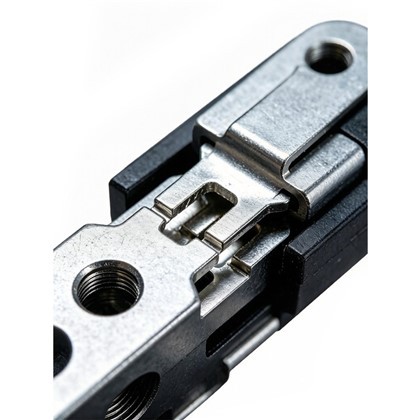
Industrial Connectors As an automotive connector supplier, we are committed to providing high – quality connectors that meet the strictest standards. Our connectors are designed and manufactured with the latest technologies and materials to minimize the risk of short – circuits. If you are in the market for reliable automotive connectors or have any questions about preventing short – circuits, I encourage you to reach out to us for a procurement discussion. We have a team of experts who can provide you with the best solutions for your specific needs.
References
- "Automotive Electrical and Electronic Systems" by Robert F. Bosch GmbH
- "Handbook of Wiring Harness Systems" by John Wiley & Sons, Inc.
- Technical papers from automotive industry conferences on connector technology and electrical system reliability.
Modelon Precision Industry (Suzhou) Co., Ltd.
With abundant experience, we are one of the most professional automotive connector manufacturers and suppliers in China. Welcome to buy customized automotive connector at competitive price from our factory. If you have any enquiry about pricelist, please feel free to email us.
Address: 1st Floor, Building 22, No. 2628 North Gate Road, Kunshan City, Jiangsu Province, P.R.China
E-mail: jessica_huang2025@163.com
WebSite: https://www.modeloncn.com/
