The question of whether speaker cables need to be matched to the speakers is one that has intrigued audiophiles, hobbyists, and professional sound installers alike for decades. As a supplier of speaker cables, I’ve had countless discussions with customers about this very topic. In this blog, I’ll delve into the technical details, address common misconceptions, and provide insights to help you make an informed decision. Speaker Cable
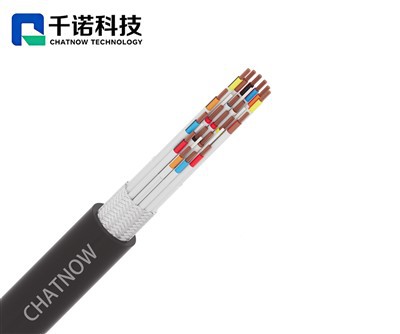
Understanding the Basics of Speaker Cables
Before we can discuss the matching aspect, it’s essential to understand what a speaker cable does. A speaker cable is a conductor that transmits the electrical signal from an amplifier to a speaker. This signal is an alternating current (AC) that represents the audio waveform. The cable’s primary role is to carry this signal with as little loss or distortion as possible.
Speaker cables are typically made of copper or aluminum, with copper being the more popular choice due to its superior conductivity. The cable’s construction also includes insulation to prevent short – circuits and electromagnetic interference. Different speaker cables come in various gauges (thicknesses), lengths, and materials, all of which can affect the signal transmission.
The Technical Considerations
Cable Resistance
One of the most critical factors in cable performance is resistance. Resistance is measured in ohms, and it represents the opposition to the flow of electrical current. According to Ohm’s Law (V = IR), if the resistance of the cable is high, and the current (I) is constant, the voltage drop (V) across the cable will be significant. This voltage drop means that less power reaches the speakers, resulting in a decrease in volume and potentially affecting the sound quality.
Speakers have a specific impedance, usually measured in ohms (e.g., 4 ohms, 8 ohms). For optimal power transfer, the cable’s resistance should be as low as possible compared to the speaker’s impedance. A cable with a high resistance relative to the speaker’s impedance can cause a mismatch, leading to less efficient power transfer and a loss of audio fidelity.
Capacitance and Inductance
In addition to resistance, speaker cables also have capacitance and inductance. Capacitance is the ability of the cable to store electrical charge, while inductance is the property that opposes changes in current. These two properties can interact with the electrical signal, causing distortion, particularly at high frequencies.
For example, high – capacitance cables can roll off high – frequency signals, resulting in a dull or muffled sound. Speaker cables with high inductance can cause phase shifts, which can make the sound less precise and well – defined. Therefore, choosing a cable with appropriate capacitance and inductance values for your speakers is crucial.
Speaker Characteristics
Speakers vary significantly in their design, size, and frequency response. A large floor – standing speaker with a wide frequency range and high power handling capacity may require a different cable than a small bookshelf speaker. For instance, a large speaker may need a cable with lower resistance to handle the higher current demands, while a smaller speaker may be more forgiving.
Moreover, some speakers are more sensitive to cable characteristics than others. High – end audiophile speakers, which are designed to reproduce sound with extreme accuracy, may be more likely to reveal the differences in cable quality. In contrast, budget speakers may not show a significant difference when paired with different cables.
Common Misconceptions
One of the most prevalent misconceptions is that more expensive cables always provide significantly better sound quality. While it’s true that high – end cables often use better materials and construction techniques, the improvement in sound quality may not be noticeable in all systems. The difference between a moderately priced cable and an extremely expensive one may be marginal, especially when paired with average speakers.
Another misconception is that any cable will work fine as long as it connects the amplifier to the speakers. While this is technically true in terms of getting sound out of the speakers, using an inappropriate cable can lead to a less than optimal listening experience. Poorly matched cables can cause a loss of power, distortion, and a reduction in the overall audio quality.
Matching Speaker Cables to Speakers in Practice
Cable Gauge and Length
The gauge of the cable is an important factor to consider. Thicker cables (lower gauge numbers) have lower resistance, which is beneficial for longer cable runs and speakers with low impedance. For example, if you have a large room and need to run a long cable to your speakers, it’s advisable to use a thicker cable to minimize the voltage drop.
As a general rule of thumb, for short cable runs (less than 10 feet) to speakers with 8 – ohm impedance, a 16 – gauge cable may be sufficient. However, for longer runs or speakers with 4 – ohm impedance, a 12 – or 14 – gauge cable is recommended.
Speaker Sensitivity and Power Handling
Speakers with high sensitivity (measured in decibels) can produce more sound with less power. These speakers may be less demanding on the cable, and a lower – quality cable may still provide satisfactory results. On the other hand, speakers with low sensitivity require more power to reach the same volume levels, and a high – quality cable with low resistance is essential to ensure efficient power transfer.
Speakers with high power – handling capabilities also need cables that can handle the current. A cable that is too thin for a high – power speaker can overheat, leading to safety hazards and potential damage to the cable and the speakers.
System Compatibility
It’s also important to consider the entire audio system when choosing a speaker cable. If you have a high – end amplifier with a low output impedance, it may require a cable that can work well with this type of amplifier. Similarly, if your speakers are part of a multi – channel surround sound system, you need to ensure that all the cables are matched to provide a consistent sound quality across the channels.
Benefits of Matching Speaker Cables
Improved Sound Quality
When the speaker cable is properly matched to the speakers, the sound quality can be significantly improved. There will be less distortion, better frequency response, and more accurate sound reproduction. The music will sound clearer, with more details and a wider soundstage.
Enhanced Power Efficiency
A well – matched cable allows for more efficient power transfer from the amplifier to the speakers. This means that the speakers can produce more sound with the same amount of power, resulting in a louder and more dynamic sound. It also reduces the workload on the amplifier, which can extend its lifespan.
Long – Term Reliability
Using the right cable can also increase the long – term reliability of your audio system. A cable that is properly matched to the speakers is less likely to overheat or cause other problems, which can lead to less maintenance and fewer replacements over time.
Conclusion
In conclusion, speaker cables do need to be matched to the speakers. The technical characteristics of the cable, such as resistance, capacitance, and inductance, can significantly affect the sound quality and performance of the audio system. By considering factors like cable gauge, length, speaker sensitivity, power handling, and system compatibility, you can ensure that you choose the right cable for your speakers.

As a speaker cable supplier, I’m here to help you navigate through the numerous options available. Whether you’re building a home audio system, a professional sound installation, or upgrading your existing setup, I can provide you with the expertise and high – quality products to meet your needs.
Bus Cable If you’re interested in learning more about our speaker cables or would like to discuss your specific requirements, please don’t hesitate to reach out. Our team of experts is ready to assist you in finding the perfect cable for your speakers.
References
- Toole, Floyd E. "Sound Reproduction: The Acoustics and Psychoacoustics of Loudspeakers and Rooms." Elsevier, 2019.
- McGee, John H. "Audio Engineering Explained." Routledge, 2017.
Zhejiang Chatnow New Material Technology Co., Ltd.
Zhejiang Chatnow New Material Technology Co., Ltd. is well-known as one of the leading speaker cable manufacturers and suppliers in China, specialized in providing high quality customized service. Please feel free to wholesale high-grade speaker cable at competitive price from our factory.
Address: Building 12, No.9 Huajin Road, ZhouWangMiao Town Innovation Center, Haining, Zhejiang 314400
E-mail: info@chatnow-cable.com
WebSite: https://www.chatnow-cable.com/
