Hey there! As a supplier of flyback transformers, I’ve dealt with all sorts of issues in my line of work. One problem that crops up quite often is over-current in flyback transformers. It’s a headache for everyone involved – from manufacturers to end-users. So, in this blog post, I’m gonna share some tips on how to prevent over-current in a flyback transformer. Flyback Transformer
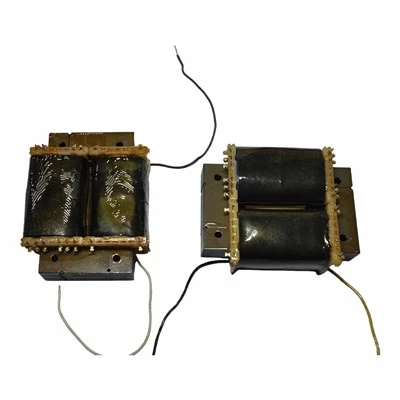
First off, let’s understand what causes over-current in a flyback transformer. There are several factors that can lead to this problem. One of the main culprits is a short circuit in the secondary side of the transformer. When there’s a short, the current on the secondary side can shoot up really high, and this can cause over-current on the primary side too. Another reason could be incorrect component selection. If the components used in the circuit aren’t rated properly for the power levels and currents involved, it can lead to over-current situations. Also, issues with the control circuit can play a role. A malfunctioning control circuit might not regulate the current properly, allowing it to exceed safe levels.
Now, let’s get into the ways to prevent over-current.
1. Proper Component Selection
This is the foundation of preventing over-current. When designing a flyback transformer circuit, you need to be really careful about choosing the right components. For the primary switch, make sure it can handle the peak currents and voltages in the circuit. I’ve seen too many cases where people pick a switch that’s under-rated, and then they end up with over-current problems. Look at the datasheet of the switch and check its current and voltage ratings. Make sure to choose one with a good margin of safety.
The output diodes are also crucial. The wrong diode can cause excessive losses and over-current. Select diodes with fast recovery times and high current ratings. This will ensure that they can handle the current flow without getting overheated or damaged.
Capacitors are another important component. The input capacitor helps to smooth out the input voltage and reduce ripple current. Choose a capacitor with the right capacitance and voltage rating. A capacitor that’s too small won’t be able to handle the current demands, while one that’s too large can add unnecessary cost and size to the circuit.
2. Effective Short Circuit Protection
As I mentioned earlier, short circuits on the secondary side are a major cause of over-current. So, it’s essential to have good short circuit protection in place. One common way to do this is by using a fuse. A fuse is a simple and effective way to protect the circuit from excessive current. When the current exceeds a certain level, the fuse blows, breaking the circuit and preventing further damage.
You can also use a current sense resistor in the primary or secondary circuit. The voltage across the resistor is proportional to the current flowing through it. By monitoring this voltage, you can detect when the current is getting too high. Once the current exceeds a pre-set threshold, a protection circuit can be triggered to shut down the power supply or reduce the current.
Another option is to use a crowbar circuit. A crowbar circuit is designed to short out the power supply when a fault condition is detected. This quickly reduces the current to a safe level and protects the transformer and other components.
3. Accurate Current Regulation
A well-designed control circuit is key to accurate current regulation. The control circuit should be able to sense the current flowing through the transformer and adjust the duty cycle of the primary switch accordingly. This helps to keep the current within safe limits.
There are different types of control methods available, such as pulse width modulation (PWM). PWM is a popular method where the width of the pulses applied to the primary switch is varied to control the power delivered to the load. By adjusting the duty cycle of the PWM signal, you can regulate the current flowing through the transformer.
Make sure to use a high-quality control IC that’s designed for flyback transformers. These ICs often come with built-in protection features, such as over-current protection and over-temperature protection. They can monitor the current and other parameters in real-time and take appropriate action if any abnormal conditions are detected.
4. Adequate Heat Dissipation
Overheating can also lead to over-current problems in flyback transformers. When the transformer gets too hot, its resistance increases, which can cause the current to rise. So, it’s important to have adequate heat dissipation measures in place.
Use heatsinks to transfer the heat away from the transformer and other high-power components. Make sure the heatsinks are properly sized and installed. You can also use fans to improve the airflow around the transformer. This helps to keep the temperature down and prevents over-heating.
Another thing to consider is the layout of the circuit board. Make sure there’s enough space between the components to allow for proper airflow. Avoid placing high-power components too close together, as this can cause local hot spots.
5. Regular Testing and Maintenance
Regular testing and maintenance are essential for preventing over-current in flyback transformers. You should test the transformer and its associated components regularly to make sure they’re working properly. Check the current levels, voltage levels, and temperature of the transformer. Look for any signs of over-heating or component failure.
If you detect any problems during testing, take immediate action to fix them. Replace any faulty components and make sure the circuit is functioning correctly. By catching and fixing problems early, you can prevent over-current situations from occurring.
In conclusion, preventing over-current in a flyback transformer requires a combination of proper component selection, effective protection circuits, accurate current regulation, adequate heat dissipation, and regular testing and maintenance. By following these tips, you can ensure that your flyback transformers operate safely and reliably.
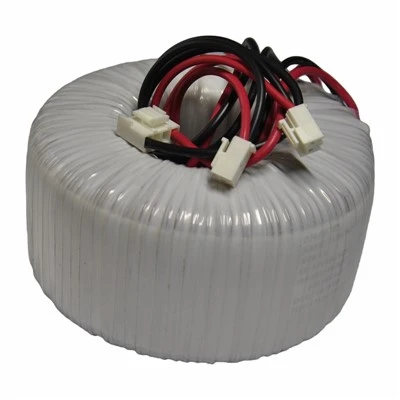
If you’re in the market for high-quality flyback transformers or need more advice on preventing over-current, don’t hesitate to reach out. We’re here to help you find the best solutions for your needs. Let’s start a conversation and see how we can work together to meet your requirements.
Current Transformer References:
- "Switching Power Supply Design" by Pressman, Abraham I.
- "Power Electronics: Converters, Applications, and Design" by Mohan, Ned, Undeland, Tore M., and Robbins, William P.
Dongguan Hensiron Electric Co., Ltd.
As one of the most professional flyback transformer suppliers in China, we have world-leading production equipment and strong manufacturing capabilities. Please feel free to buy high quality flyback transformer made in China here from our factory. Customized orders are welcome.
Address: Building 4, Xinxing Industrial Zone, Wangao Road, Wanjiang Street, Dongguan City, China
E-mail: jessica@dghensiron.com
WebSite: https://www.dghensiron.com/
