As a supplier of electric stage hoists, I’ve encountered numerous inquiries about the difference between chain and wire rope electric stage hoists. It’s a crucial topic for anyone involved in the entertainment industry, event management, or any field that requires reliable lifting equipment for stage setups. In this blog post, I’ll delve into the key differences between these two types of hoists to help you make an informed decision when choosing the right equipment for your needs. Electric Stage Hoist

Design and Construction
Let’s start with the design and construction of chain and wire rope electric stage hoists. Chain hoists use a linked chain as the lifting medium. The chain is typically made of high – strength steel, and it runs through a sprocket mechanism within the hoist. The sprocket grabs the links of the chain, allowing the hoist to lift and lower loads. Chain hoists are often compact and relatively simple in design, making them easy to install and operate.
On the other hand, wire rope hoists use a steel cable or wire rope as the lifting element. The wire rope is wound around a drum, and as the drum rotates, the rope is either wound up or let out to lift or lower the load. Wire rope hoists are generally more complex in design compared to chain hoists. They require specialized machinery to ensure smooth and even winding of the wire rope on the drum, and they often have additional components such as sheaves and braking systems to enhance safety and performance.
Lifting Capacity
Lifting capacity is an important consideration when choosing an electric stage hoist. Chain hoists are available in a wide range of lifting capacities, typically ranging from a few hundred kilograms to several tons. For smaller – scale stage productions, such as community theater performances or small corporate events, chain hoists with lower lifting capacities (up to 1 – 2 tons) are often sufficient. They can easily handle the weight of stage lighting fixtures, small props, and lightweight scenery.
Wire rope hoists, however, are generally better suited for heavy – duty applications. They can typically handle much larger lifting capacities, sometimes exceeding 10 tons or more. In large – scale concert venues, Broadway theaters, or major event arenas, wire rope hoists are commonly used to lift large sets, massive lighting rigs, and heavy audio equipment. Their ability to handle high – load capacities makes them indispensable for these large – scale productions.
Lift Speed
The lift speed of an electric stage hoist can also vary between chain and wire rope models. Chain hoists usually offer relatively slower lift speeds compared to wire rope hoists. This is because the design and operation of the chain – sprocket mechanism are optimized for precision and safety rather than high – speed lifting. Slower lift speeds are often beneficial in stage applications where precise positioning of equipment is required. For example, when adjusting the height of a lighting fixture to create the perfect lighting effect, the slower speed allows for more accurate control.
Wire rope hoists, in contrast, can achieve higher lift speeds. The drum – winding mechanism of wire rope hoists enables faster movement of the load. In situations where quick changes to the stage setup are needed, such as during a fast – paced concert or a large – scale event with multiple scene changes, the higher lift speed of wire rope hoists can be a significant advantage.
Precision and Control
Precision and control are vital in stage applications, as even small errors in positioning can have a big impact on the overall performance. Chain hoists are known for their excellent precision. The interlocking links of the chain provide a stable and predictable lifting motion. This allows operators to make very fine adjustments to the height of the load, which is crucial for aligning stage elements such as backdrops, curtains, and lighting fixtures.
Wire rope hoists also offer good control, but they may be slightly less precise compared to chain hoists in some cases. The flexibility of the wire rope can introduce a small amount of movement or "play" when making very small adjustments. However, modern wire rope hoists are equipped with advanced control systems that help to minimize this issue and provide a high level of accuracy.
Durability and Maintenance
Durability and maintenance requirements are important factors to consider for long – term cost – effectiveness. Chain hoists are generally quite durable. The steel chains are resistant to abrasion and can withstand harsh operating conditions. However, the chain links need to be regularly inspected for wear and tear, and lubrication is required to ensure smooth operation. In addition, if a chain link is damaged, it can be replaced relatively easily, which is a cost – effective way to maintain the hoist.
Wire rope hoists also have a long lifespan, but the wire rope itself is more susceptible to damage. Factors such as kinking, fraying, and corrosion can affect the integrity of the wire rope. Regular inspections are crucial to detect any signs of damage early. When the wire rope reaches the end of its service life, it needs to be replaced, which can be more expensive and time – consuming compared to replacing a chain link. However, proper installation and maintenance can significantly extend the life of the wire rope and the entire hoist system.
Safety
Safety is of utmost importance when it comes to electric stage hoists. Both chain and wire rope hoists are designed with multiple safety features to protect operators and prevent accidents. Chain hoists typically have a mechanical brake system that engages automatically when the power is off or when the hoist is not in operation. This prevents the load from falling unexpectedly. Additionally, the chain sprocket mechanism provides a certain level of holding power, which adds to the overall safety of the hoist.
Wire rope hoists also have advanced safety features. They often include electromagnetic brakes that can stop the hoist immediately in case of an emergency. Moreover, wire rope hoists are equipped with safety limit switches that prevent the hoist from over – winding or over – running, which could lead to serious accidents. Some wire rope hoists also have load sensors that can detect overload conditions and automatically stop the hoist to protect the equipment and personnel.
Cost
Cost is always a consideration when purchasing electric stage hoists. Chain hoists are generally more affordable compared to wire rope hoists. Their simpler design and lower manufacturing costs make them a cost – effective option for small – to – medium – sized stage productions. In addition, the maintenance and replacement costs of chain hoists are also relatively low.
Wire rope hoists, on the other hand, are more expensive upfront. Their complex design, high – strength wire ropes, and advanced control systems contribute to the higher cost. However, for large – scale productions where high – load capacities, fast lift speeds, and long – term durability are required, the investment in wire rope hoists can be well worth it.
Conclusion
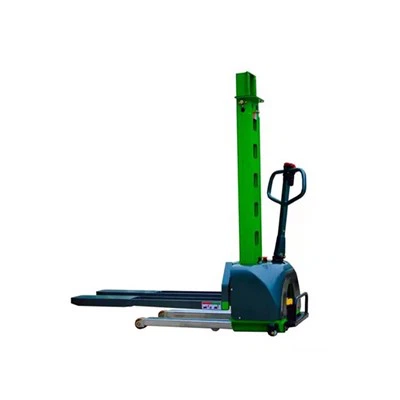
In conclusion, the choice between a chain and a wire rope electric stage hoist depends on several factors, including the specific requirements of your stage production, lifting capacity needs, desired lift speed, precision requirements, budget, and long – term maintenance considerations. Chain hoists are ideal for smaller – scale productions where precision, lower cost, and ease of maintenance are priorities. Wire rope hoists, on the other hand, are better suited for large – scale, heavy – duty applications that demand high – load capacities and faster lift speeds.
European Electric Hoist If you’re in the process of selecting an electric stage hoist for your upcoming event or production, I’m here to help. As an experienced supplier, I can provide you with detailed information about our range of chain and wire rope electric stage hoists, and assist you in choosing the right equipment that meets your specific needs. Feel free to contact me to discuss your requirements and start a procurement negotiation.
References
- Crane Institute of America. "Understanding the Basics of Chain and Wire Rope Hoists."
- Hoist Manufacturers Institute. "Technical Handbook on Electric Hoists."
- Material Handling Industry of America. "Design and Selection Guidelines for Lifting Equipment."
Hangzhou New Vision Trading Co., Ltd.
As one of the most professional electric stage hoist manufacturers and suppliers in China, we’re featured by quality products and low price. Please rest assured to wholesale bulk cheap electric stage hoist from our factory.
Address: Room 1206, 12th Floor, Building B, Sanbao Industrial Building, No. 601, Hanghai Road, Shangcheng District, Hangzhou
E-mail: jessica@newvisionmach.com
WebSite: https://www.newvisionmach.com/
