As a supplier of precision stamped parts, I’ve witnessed firsthand the unique characteristics and applications of both precision stamped parts and forged parts. In this blog, I’ll delve into the differences between these two manufacturing methods, exploring their processes, materials, performance, and more. Precision Stamped Parts

Manufacturing Processes
Precision stamping is a cold-forming process that uses a stamping press to shape metal sheets or strips into desired forms. The process involves placing a flat metal blank into a die set, which consists of a punch and a die. When the press applies force, the punch descends into the die, cutting, bending, or forming the metal to create the final part. This process is highly efficient and can produce a large number of parts in a short time. The precision of stamping allows for tight tolerances, typically within ±0.01mm, making it suitable for applications that require high accuracy.
On the other hand, forging is a hot-forming process that involves applying compressive forces to a heated metal billet or ingot. The metal is heated to a specific temperature range where it becomes malleable, and then it is shaped using a hammer, press, or other forging equipment. Forging can be further classified into open-die forging, closed-die forging, and upset forging, depending on the specific process and the complexity of the part. Unlike stamping, forging can produce parts with complex geometries and excellent mechanical properties, but it generally requires more time and energy.
Materials
Precision stamped parts can be made from a wide range of materials, including steel, aluminum, copper, brass, and stainless steel. The choice of material depends on the specific application requirements, such as strength, corrosion resistance, conductivity, and cost. For example, steel is commonly used for its high strength and durability, while aluminum is preferred for its lightweight and good corrosion resistance.
Forged parts also use a variety of materials, but they are often made from high-strength alloys, such as carbon steel, alloy steel, and stainless steel. These materials can withstand high stresses and are suitable for applications in the automotive, aerospace, and heavy machinery industries. Forging can improve the grain structure of the metal, resulting in enhanced mechanical properties, such as higher strength, toughness, and fatigue resistance.
Mechanical Properties
One of the key differences between precision stamped parts and forged parts lies in their mechanical properties. Precision stamped parts typically have a uniform grain structure and consistent mechanical properties throughout the part. However, due to the cold-forming process, they may have some residual stresses, which can affect their performance in certain applications.
Forged parts, on the other hand, have a refined grain structure and improved mechanical properties due to the hot-forming process. The compressive forces during forging align the grain structure, resulting in higher strength, better ductility, and improved fatigue resistance. Forged parts are often used in critical applications where reliability and performance are essential, such as engine components, gears, and shafts.
Surface Finish
Precision stamped parts can achieve a smooth surface finish, especially when using advanced stamping techniques and high-quality dies. The surface finish can be further improved through secondary operations, such as polishing, plating, or coating. A good surface finish not only enhances the appearance of the part but also improves its corrosion resistance and reduces friction.
Forged parts may have a rougher surface finish compared to precision stamped parts, especially in the as-forged state. However, they can also be machined and finished to achieve the desired surface quality. The surface finish of forged parts is often less critical than that of stamped parts, as they are typically used in applications where strength and durability are the primary concerns.
Cost
The cost of precision stamped parts and forged parts can vary depending on several factors, including the material, part complexity, production volume, and manufacturing process. Precision stamping is generally more cost-effective for high-volume production runs, as the initial tooling costs can be amortized over a large number of parts. The process is also relatively fast and efficient, reducing labor and production costs.
Forging, on the other hand, is more expensive due to the higher energy requirements, longer production times, and more complex tooling. However, forging can be more cost-effective for low-volume production runs or parts with complex geometries, as it can eliminate the need for multiple machining operations.
Applications
Precision stamped parts are widely used in various industries, including electronics, automotive, telecommunications, and consumer goods. They are commonly used for components such as connectors, terminals, springs, and brackets, where high precision and consistency are required.
Forged parts are typically used in applications that require high strength, toughness, and reliability, such as automotive engines, aerospace components, and heavy machinery. They are also used in the production of tools, dies, and molds, where the ability to withstand high stresses and wear is essential.
Conclusion
In conclusion, precision stamped parts and forged parts have distinct differences in their manufacturing processes, materials, mechanical properties, surface finish, cost, and applications. As a supplier of precision stamped parts, I understand the unique advantages of each method and can help customers choose the most suitable solution for their specific needs.
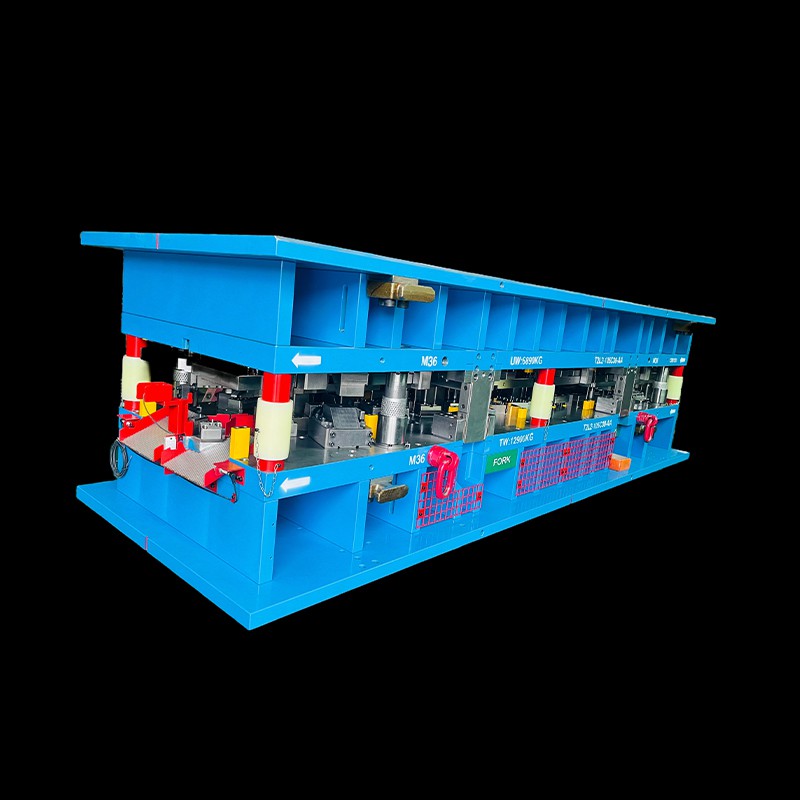
If you’re in the market for precision stamped parts or have any questions about the differences between stamped and forged parts, I’d be happy to discuss your requirements and provide a customized solution. Whether you need a small batch of prototypes or a large-scale production run, I’m committed to delivering high-quality parts that meet your exact specifications.
Automotive Tooling Contact me today to start a conversation about your precision stamping needs. Let’s work together to find the best solution for your project.
References
- Kalpakjian, S., & Schmid, S. R. (2013). Manufacturing Engineering and Technology. Pearson.
- Dieter, G. E. (1988). Engineering Metallurgy: Principles and Applications. McGraw-Hill.
- ASM Handbook Committee. (1998). ASM Handbook, Volume 14A: Metalworking: Forging. ASM International.
HT Tool and Die Co., Ltd.
As one of the most professional precision stamped parts manufacturers and suppliers in China, we’re featured by quality products and good service. Please rest assured to buy or wholesale bulk customized precision stamped parts from our factory. For quotation and free sample, contact us now.
Address: 1F, the No.3 of Hemu Road East, Shipai Town, Dongguan City, China
E-mail: wendys_lee@htstampingdie.com
WebSite: https://www.httool-die.com/
