Food extruders are vital machines in the food processing industry, used to transform raw ingredients into a wide range of food products. However, like any complex equipment, they can encounter issues that disrupt production. As a food extruder supplier, I understand the frustration that comes with a malfunctioning extruder. In this blog, I’ll share some common problems that food extruders face and provide practical troubleshooting steps to get your machine up and running again. Food Extruder

Common Issues and Troubleshooting Steps
1. Extruder Not Starting
- Power Supply Problems:
- First, check if the extruder is properly plugged into a functioning power outlet. Sometimes, a loose connection can prevent the machine from starting.
- Inspect the circuit breaker or fuse box. If a breaker has tripped or a fuse has blown, reset the breaker or replace the fuse. Make sure the power supply matches the voltage requirements of the extruder.
- Control Panel Malfunctions:
- Examine the control panel for any error messages or indicators. Some extruders have built – in diagnostic systems that can display error codes. Refer to the user manual to interpret these codes and take appropriate action.
- Check the control panel’s wiring for any loose or damaged connections. If you find any, carefully reconnect or replace the wiring as needed.
2. Poor Extrusion Quality
- Incorrect Temperature Settings:
- Temperature plays a crucial role in the extrusion process. If the temperature is too low, the product may not be fully cooked or may have a poor texture. If it’s too high, the product may burn or have an off – flavor.
- Use a temperature sensor to verify the actual temperature inside the extruder barrel. Adjust the temperature settings according to the requirements of the specific food product you are making.
- Screw Speed and Torque Issues:
- The screw speed affects the flow rate and quality of the extruded product. If the screw speed is too slow, the product may be under – processed. If it’s too fast, the product may be over – processed or have a non – uniform texture.
- Check the screw speed settings on the control panel. You may need to adjust the speed based on the type of raw materials and the desired product characteristics.
- Monitor the torque of the screw. High torque can indicate a blockage or excessive resistance in the extruder. If the torque is too high, stop the machine and check for any blockages in the barrel or die.
3. Blockages in the Extruder
- Raw Material Clogging:
- Sometimes, raw materials can get stuck in the hopper, feed throat, or barrel of the extruder. This can be caused by improper feeding, large particles in the raw materials, or moisture issues.
- Stop the extruder and carefully remove any visible blockages from the hopper and feed throat. Use a brush or a small tool to clear the debris.
- If the blockage is inside the barrel, you may need to disassemble the extruder to access and remove it. Follow the disassembly instructions in the user manual carefully.
- Die Blockages:
- The die is the part of the extruder that shapes the final product. Blockages in the die can result in uneven extrusion or no extrusion at all.
- Remove the die from the extruder and clean it thoroughly. Use a cleaning brush or a specialized die cleaning tool to remove any residue or blockages. Make sure all the holes in the die are clear.
4. Leakage from the Extruder
- Seal and Gasket Problems:
- Leakage can occur at the seals and gaskets of the extruder. Over time, these components can wear out or become damaged, causing leaks.
- Inspect the seals and gaskets for any signs of wear, cracks, or damage. Replace any worn – out seals or gaskets with new ones. Make sure the seals are properly installed and tightened.
- Pipe and Connection Leaks:
- Check all the pipes and connections in the extruder for leaks. Tighten any loose connections using a wrench. If there are any damaged pipes, replace them with new ones.
Preventive Maintenance
Preventive maintenance is key to reducing the likelihood of problems with your food extruder. Here are some tips:
- Regular Cleaning: Clean the extruder after each use to prevent the buildup of raw materials and debris. This includes cleaning the hopper, barrel, screw, and die.
- Lubrication: Follow the manufacturer’s recommendations for lubricating the moving parts of the extruder. Proper lubrication can reduce friction and wear, extending the lifespan of the machine.
- Inspection and Calibration: Periodically inspect the extruder for any signs of wear or damage. Calibrate the temperature, pressure, and speed settings to ensure accurate and consistent performance.
When to Seek Professional Help
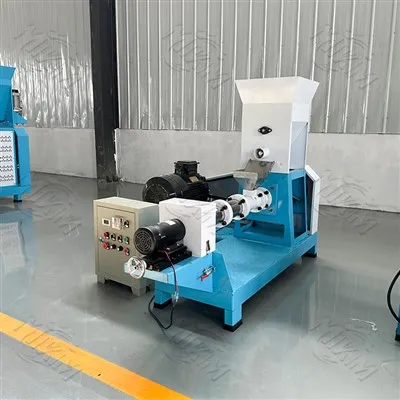
While many common issues can be resolved through basic troubleshooting, there are times when it’s best to seek professional help. If you encounter complex problems such as electrical failures, mechanical breakdowns, or issues that you are unable to diagnose, it’s advisable to contact a qualified technician or the manufacturer’s support team.
Pet Feed Extruder As a food extruder supplier, we are committed to providing high – quality machines and excellent after – sales service. Our team of experts is available to assist you with any troubleshooting or maintenance needs. If you are experiencing problems with your food extruder or are considering purchasing a new one, we encourage you to reach out to us. We can offer customized solutions based on your specific requirements and help you optimize your food production process.
References
- Food Extrusion Technology Handbook, various authors
- Manufacturer’s user manuals for food extruders
Tianjin Mikim Technique Co., Ltd
We’re professional food extruder manufacturers and suppliers in China, specialized in providing high quality customized service. Please feel free to wholesale high-grade food extruder made in China here from our factory.
Address: 25th Floor Huafu Commercial Center, Henan, China
E-mail: market@mikimz.com
WebSite: https://www.feedpelletline.com/
